AI Lecture Redesign — Case Study
From Bullet Points to Visual Understanding
A real Stanford lecture with 30 slides — redesigned by Arty into a clear, engaging, student-friendly deck. Every word preserved, only the design improved.
📄 30 slides transformed
🎓 Stanford CS 182/256
🤖 Style: Academic Lecture
Why This Deck Needs a Redesign
This lecture from Stanford's CS 182/256 course covers data privacy — from anonymization failures to encryption and differential privacy. The topic is rich with real-world case studies and technical concepts, yet the original slides rely on dense bullet-point text on a uniform dark-red template, creating several problems for student engagement:
- 📝 Wall-of-text slides with deep bullet nesting — students read ahead instead of listening, reducing comprehension
- 🏷️ Generic topic headings like "Encryption" instead of takeaway statements that convey the slide's key insight
- 🎨 Uniform dark-red template with no visual variation — every slide looks identical regardless of content type
- 📊 Technical concepts (cryptography diagrams, data tables, probability distributions) presented as text or low-contrast figures
Arty's redesign applies evidence-based lecture design principles: one idea per slide, heading-as-takeaway, keyword guide-posts instead of paragraphs, and clear visual metaphors — all while preserving every word of the original content.
Original lecture from
Stanford Online — CS 182/CS 256, Ethics, Public Policy, and Technological Change. Professors Rob Reich & Mehran Sahami.
Before
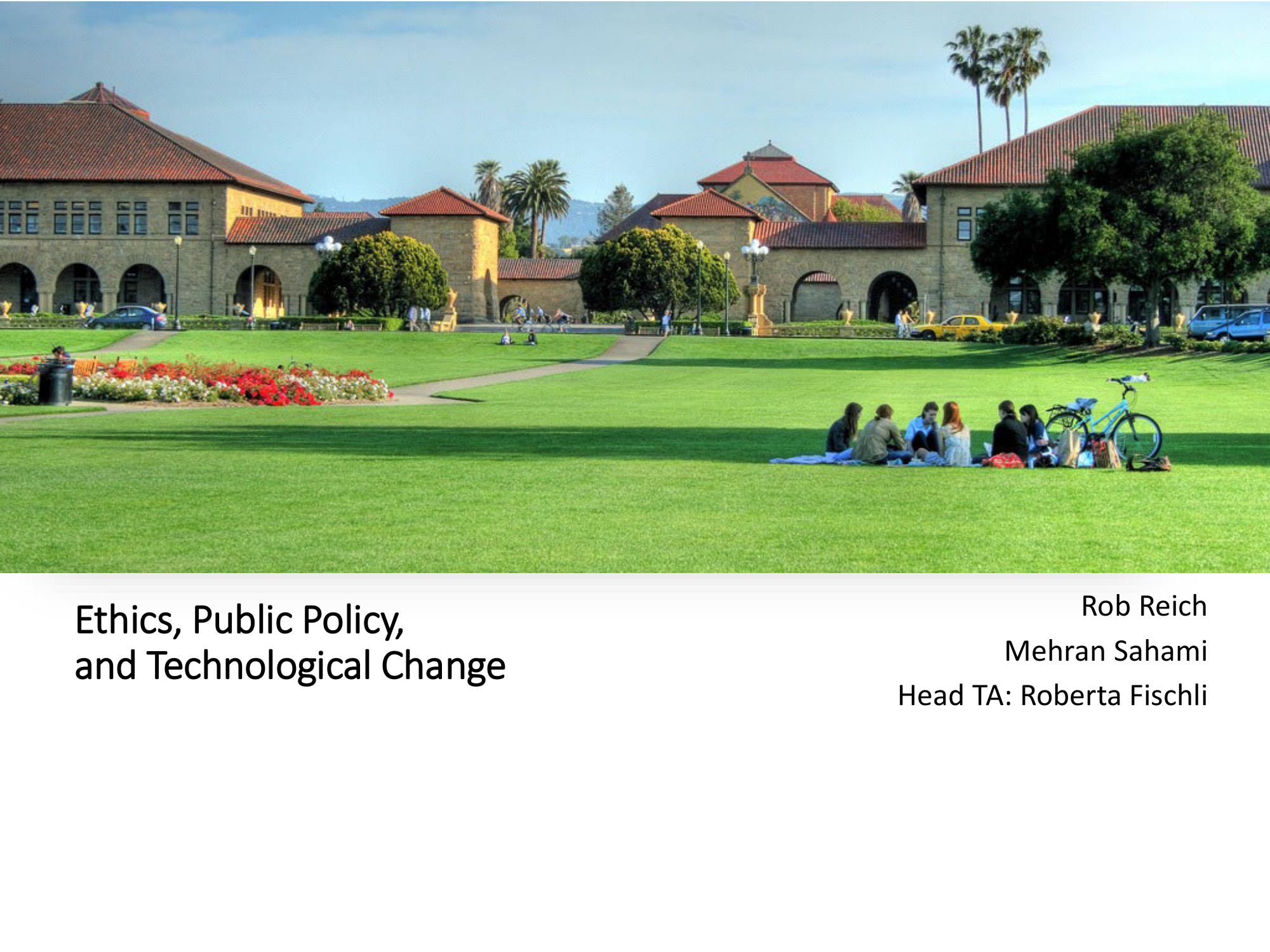
Campus photo with disconnected text below
After

Clean title layout, clear course branding, professional hierarchy
Before
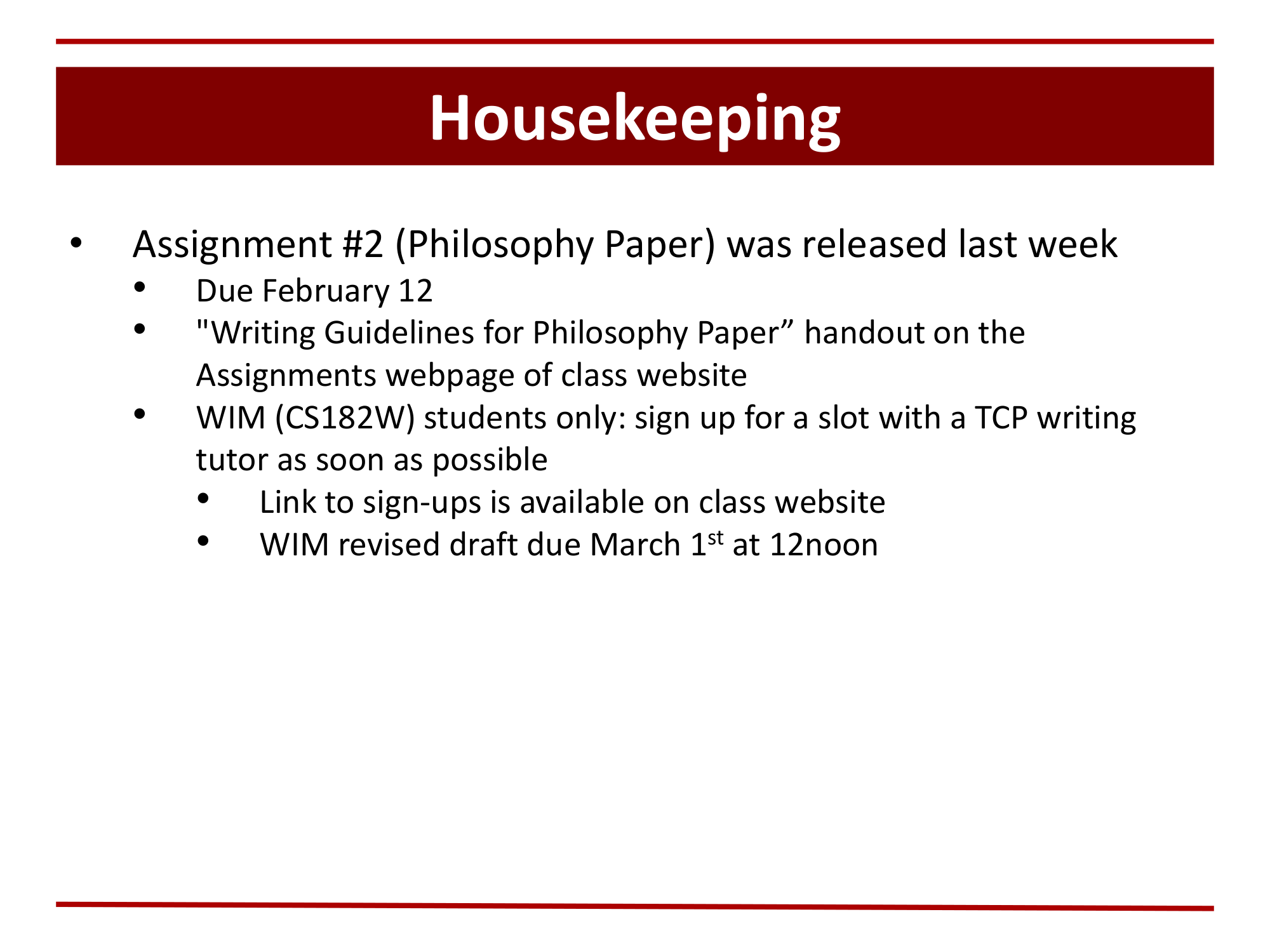
Nested bullet points for assignment logistics
After
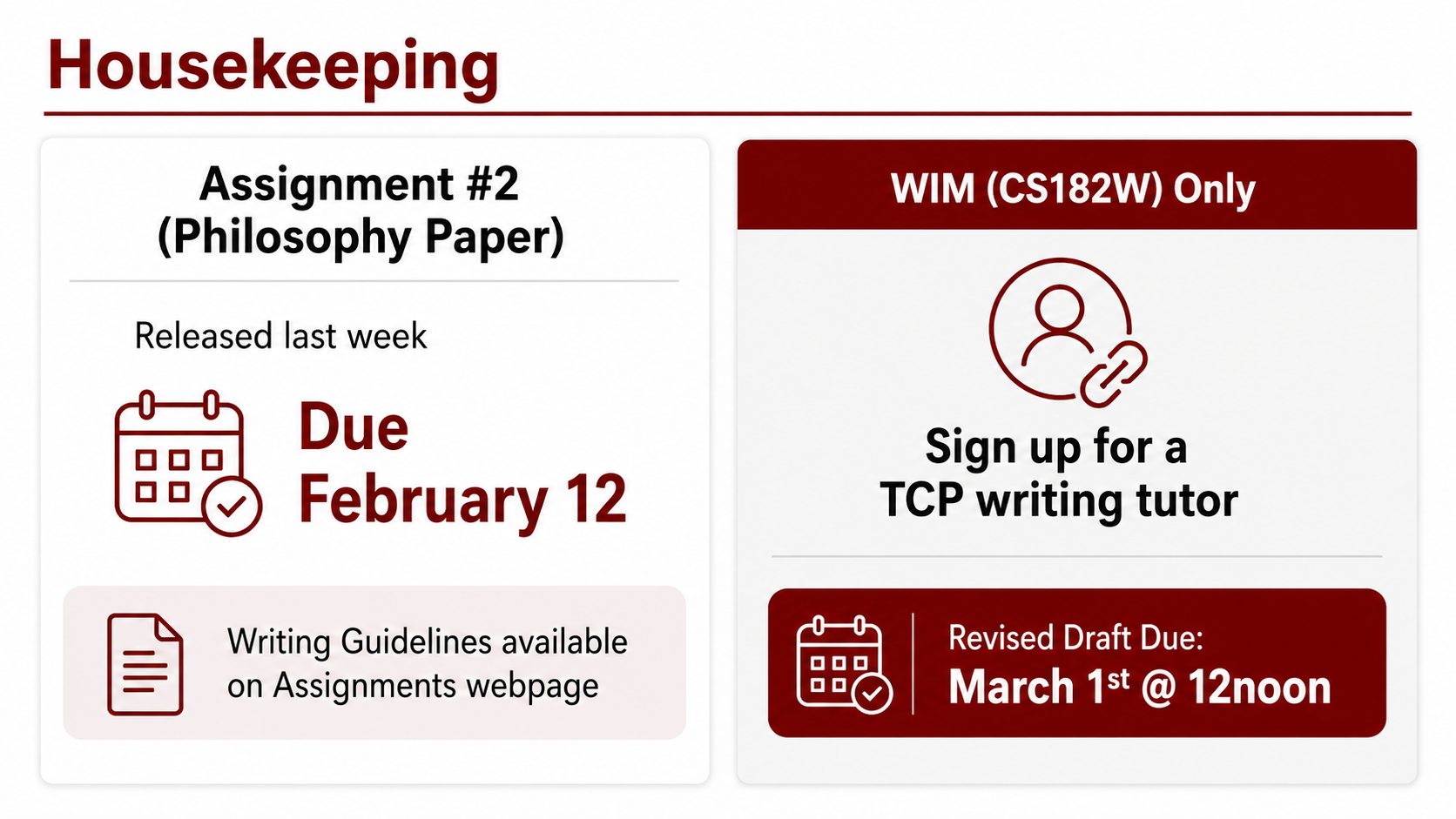
Structured task list with clear deadlines and actions
Before
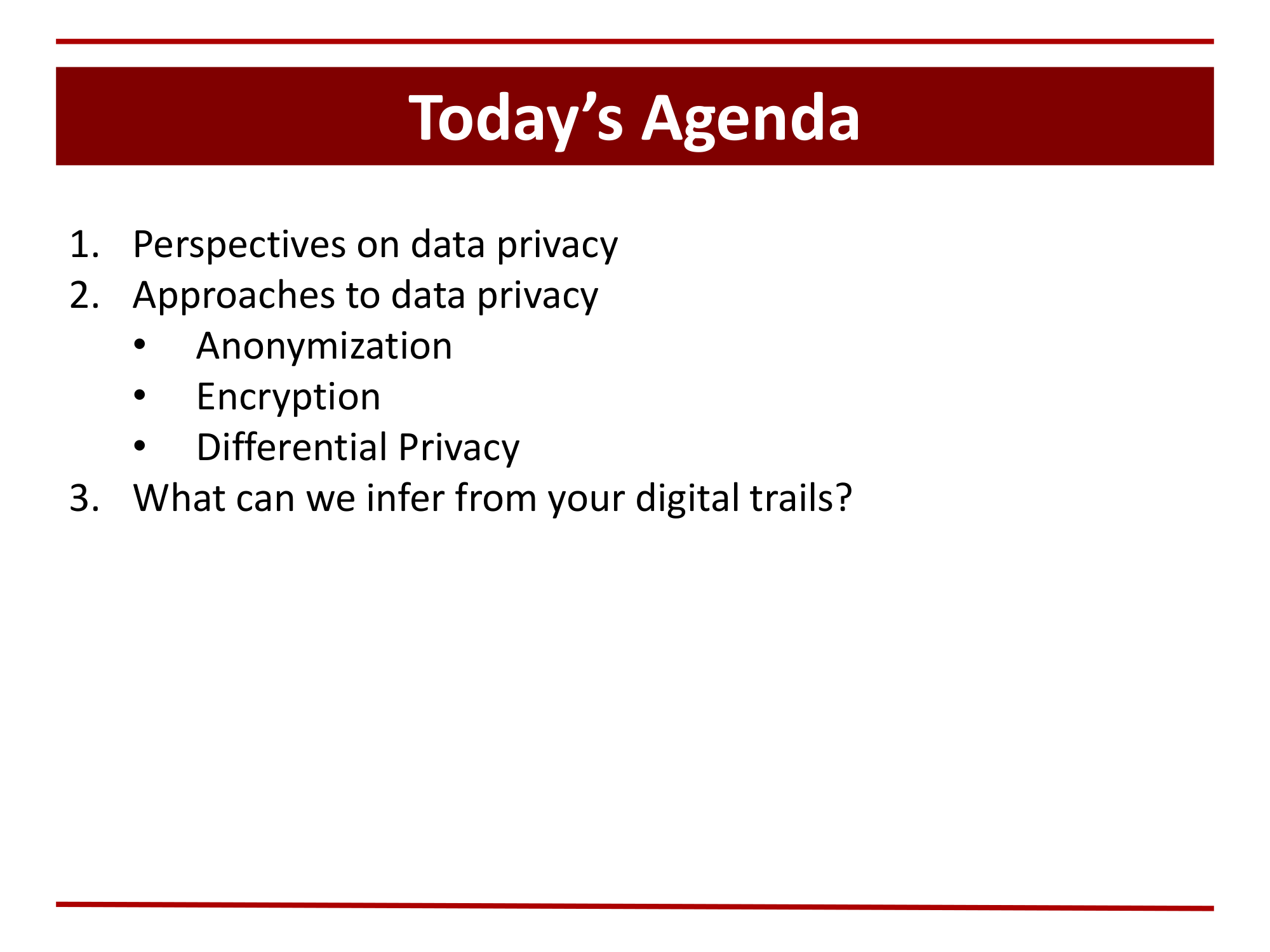
Plain numbered list on dark-red header
After
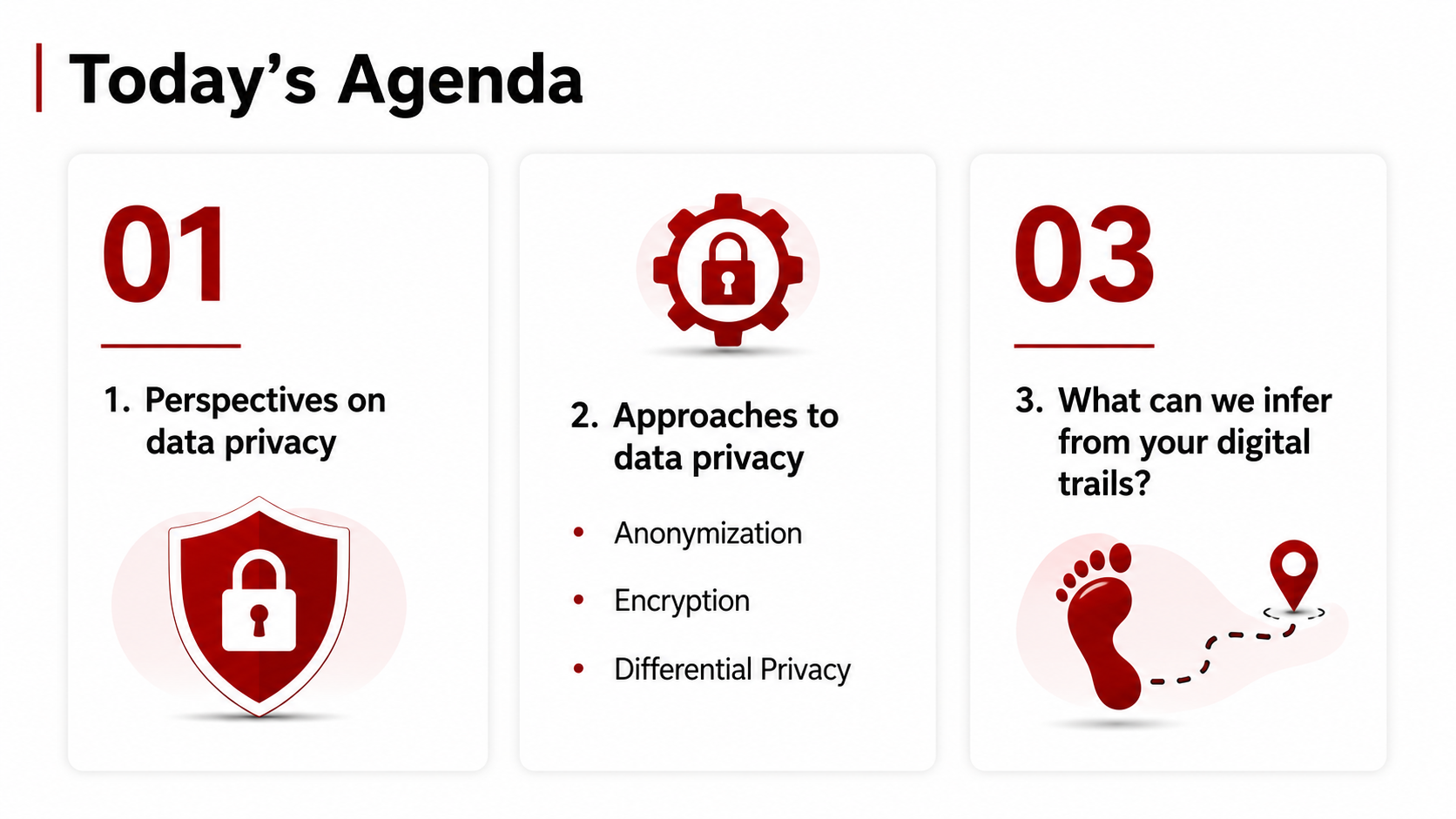
Visual roadmap with section indicators
Before
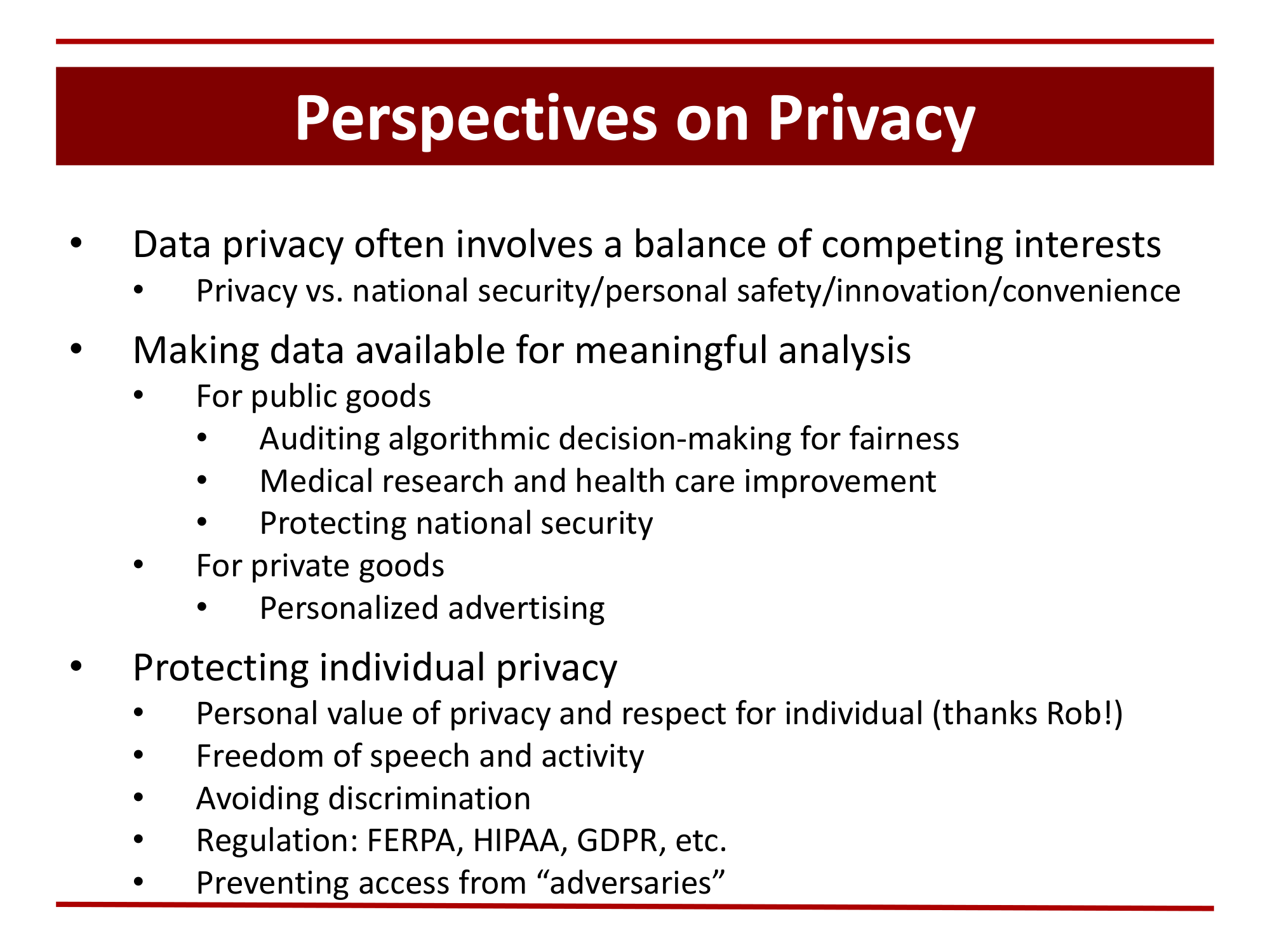
Dense nested bullets covering multiple privacy perspectives
After
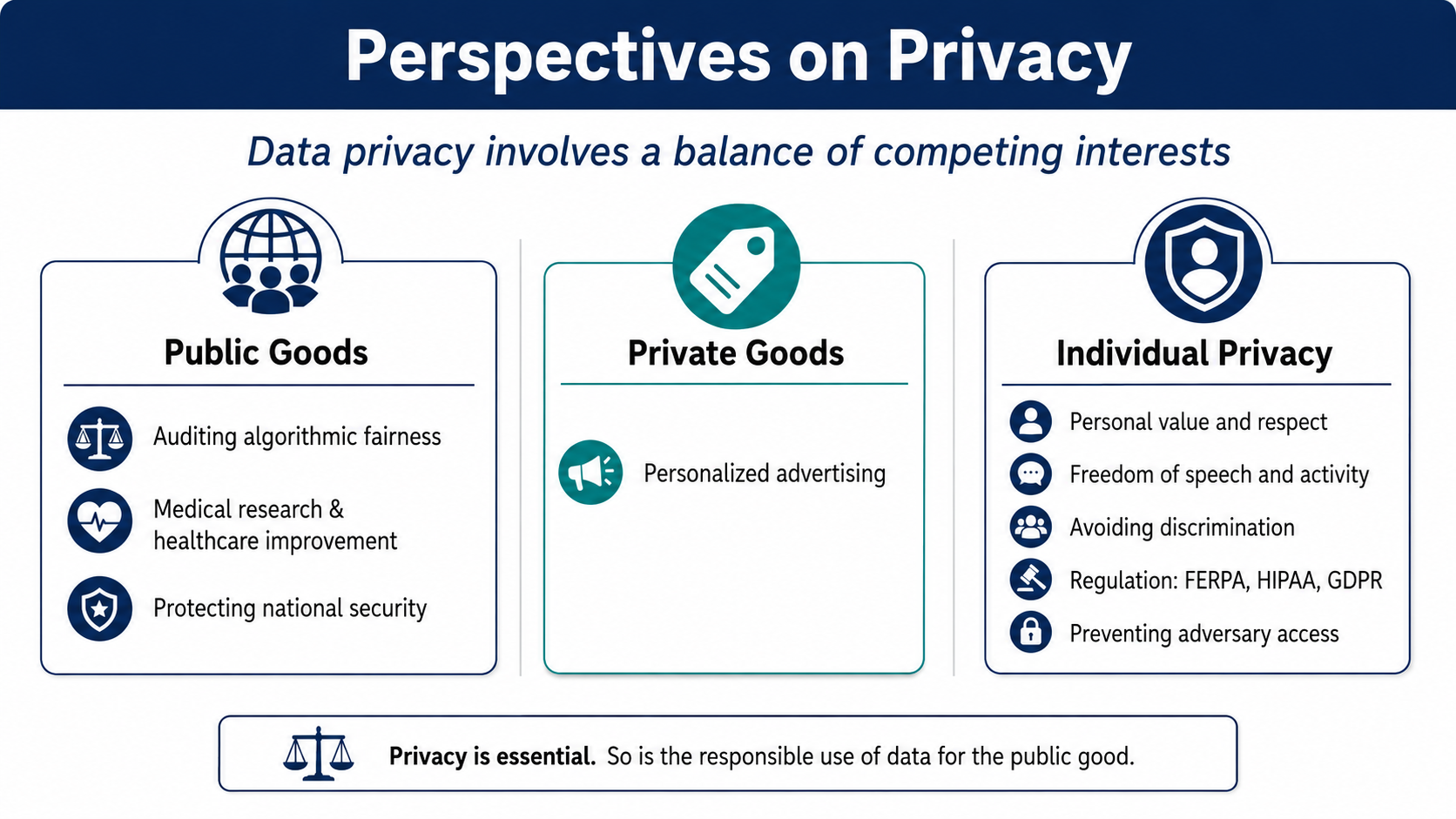
Categorized visual blocks: public goods, private goods, individual rights
Before
Same agenda, bold highlighting for current section
After
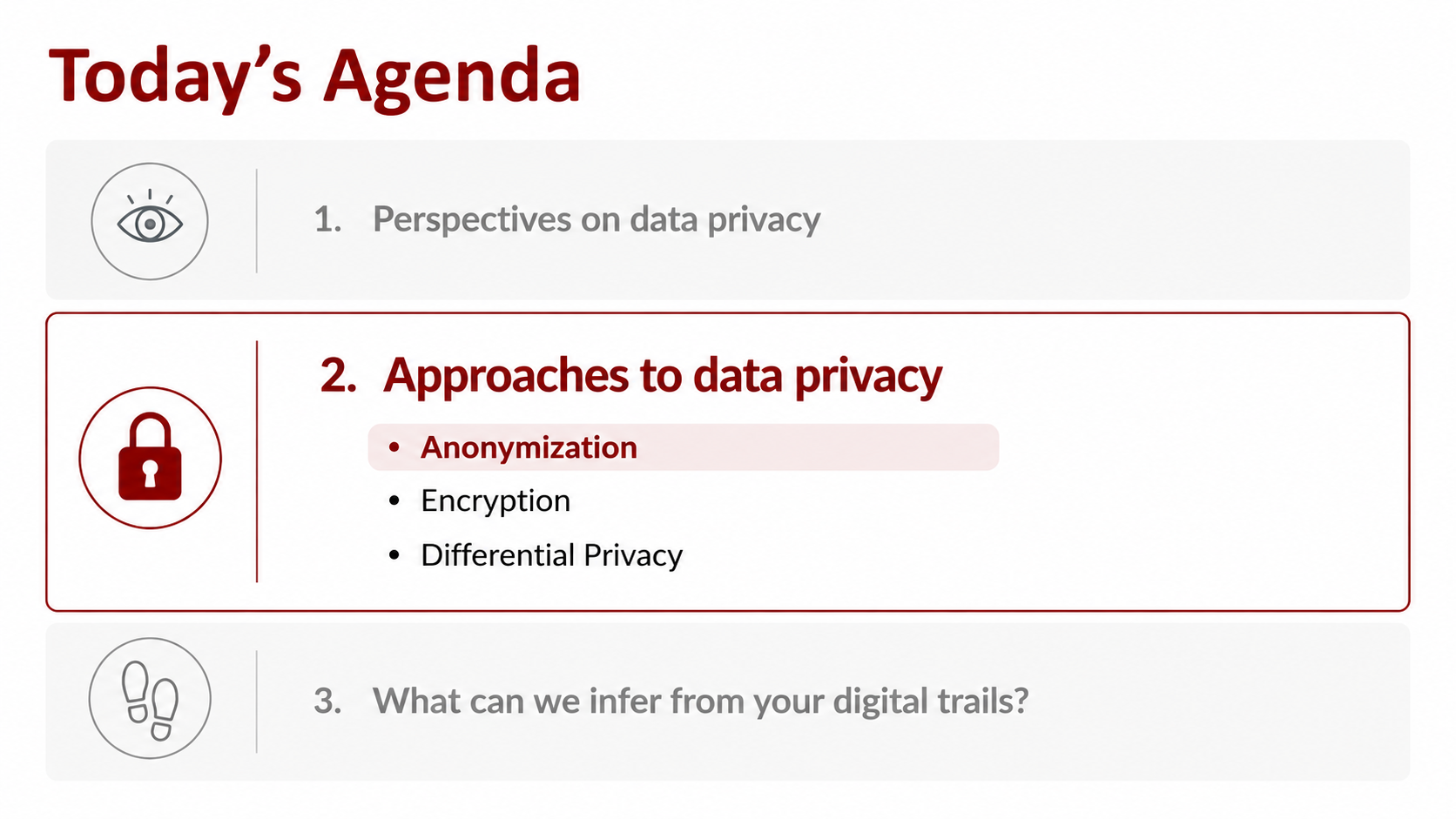
Clear section transition with progress indicator
Before
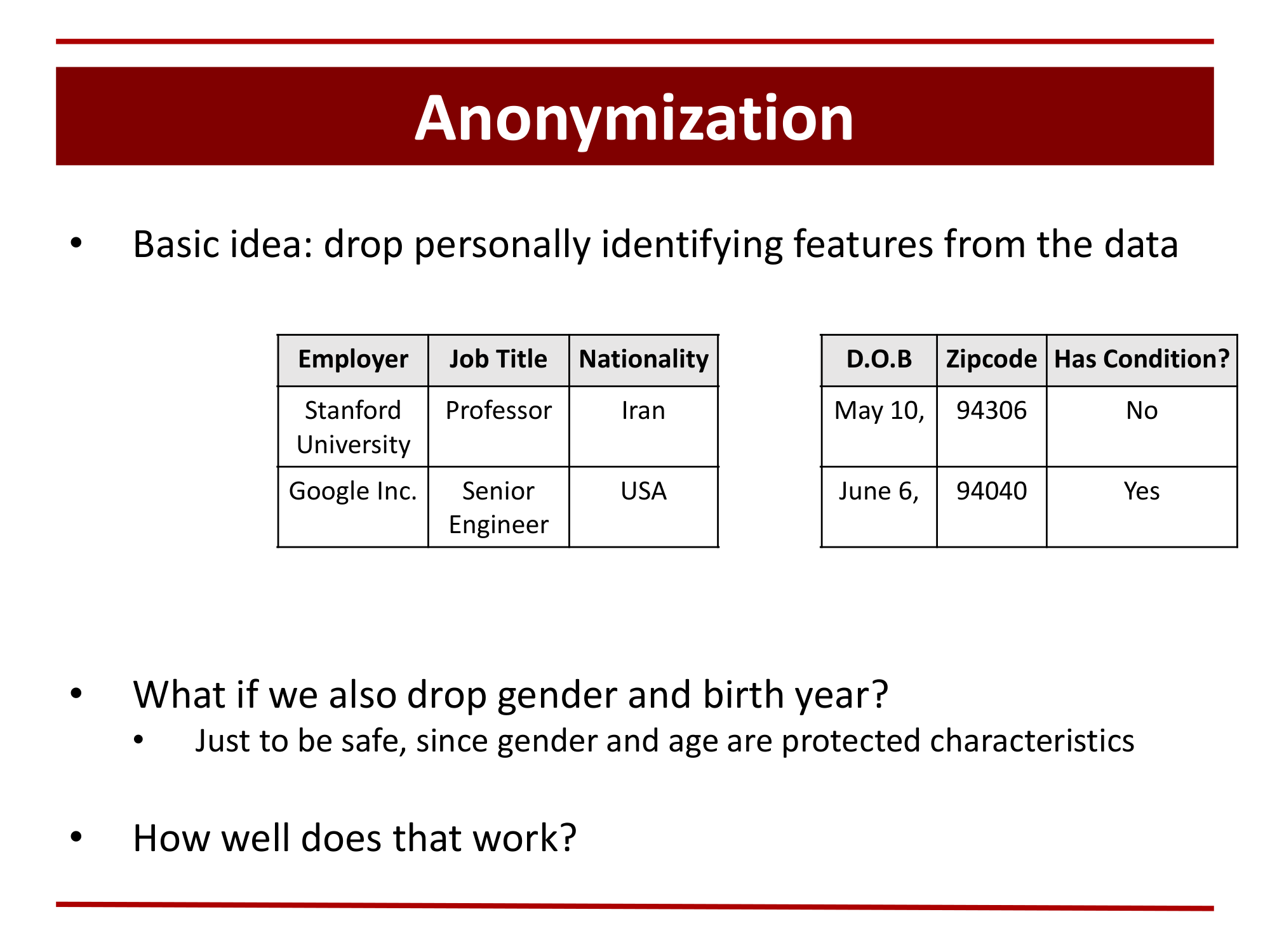
Small data tables with surrounding bullet text
After
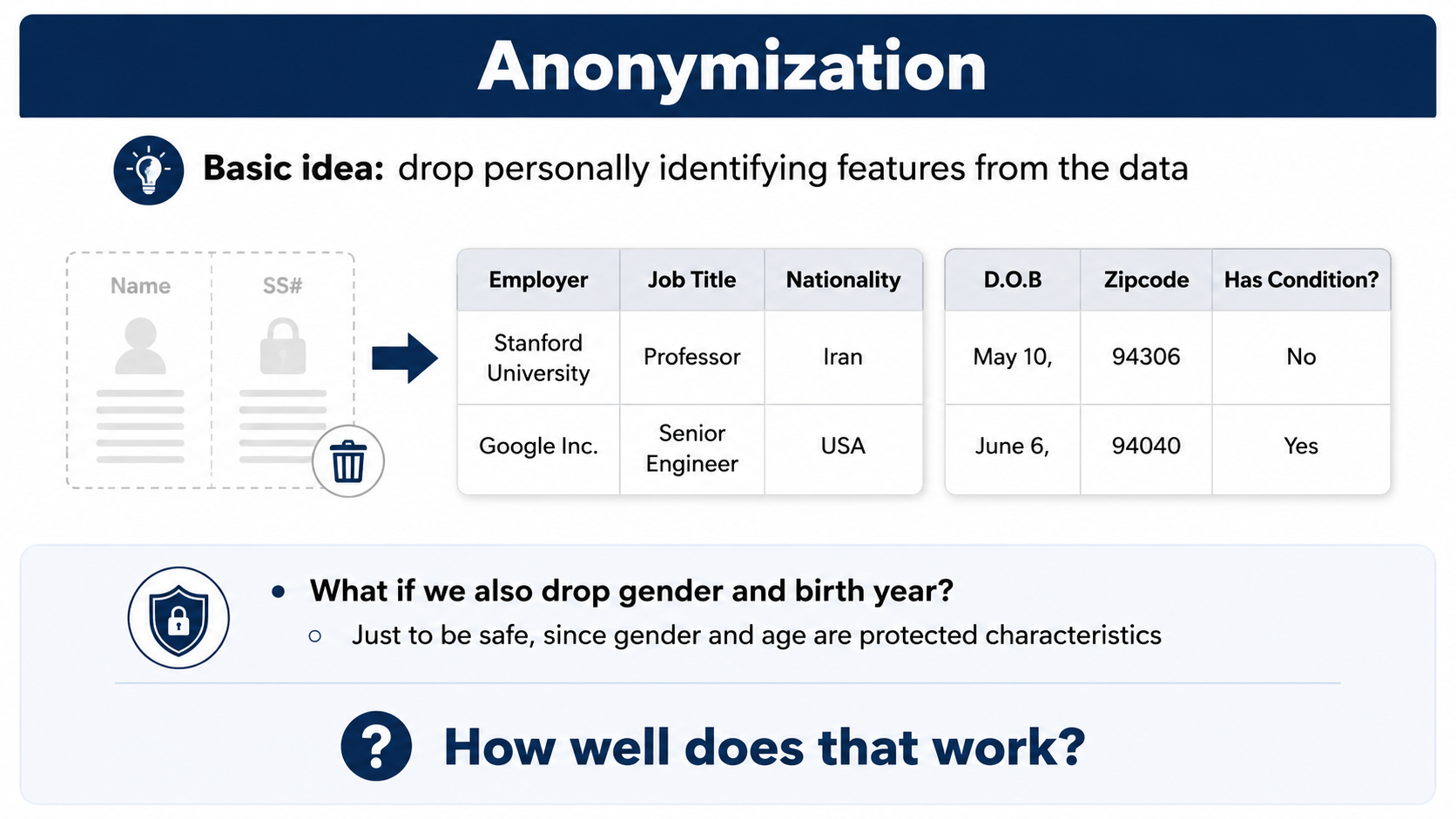
Enhanced table visualization, clear data flow narrative
Before
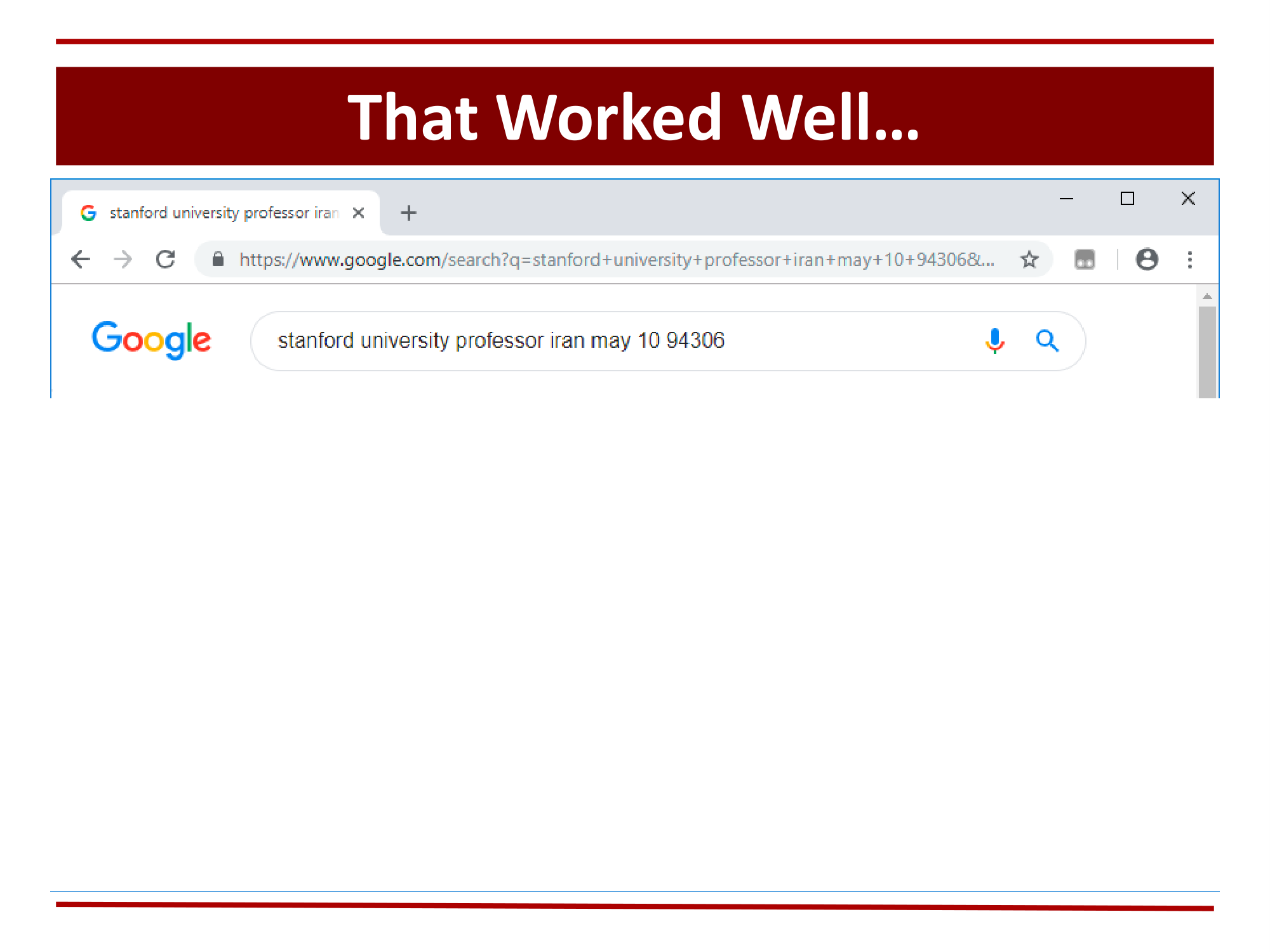
Raw browser screenshot on plain slide
After
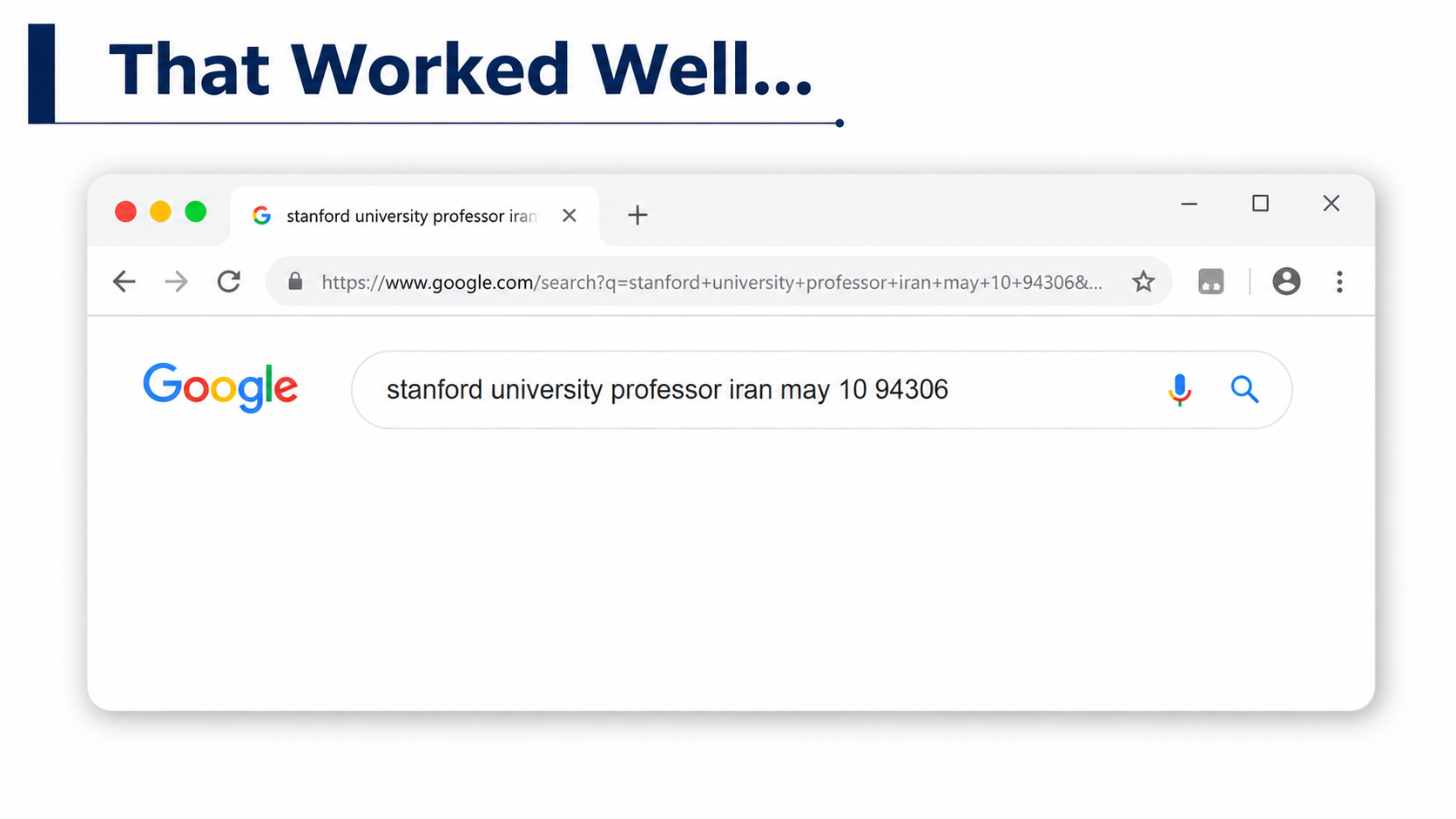
Framed demonstration with narrative context
Before
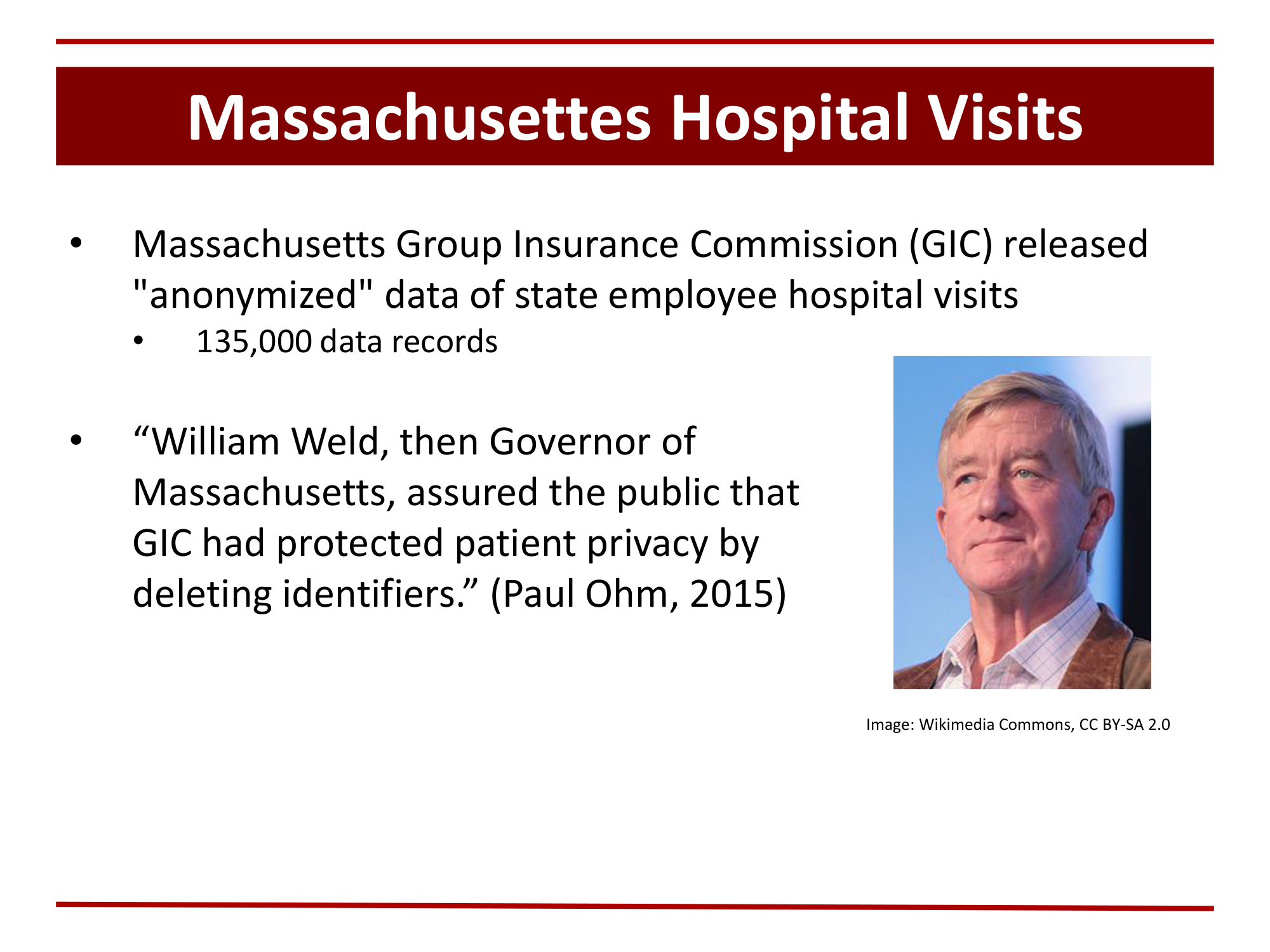
Dense text with small portrait photo
After
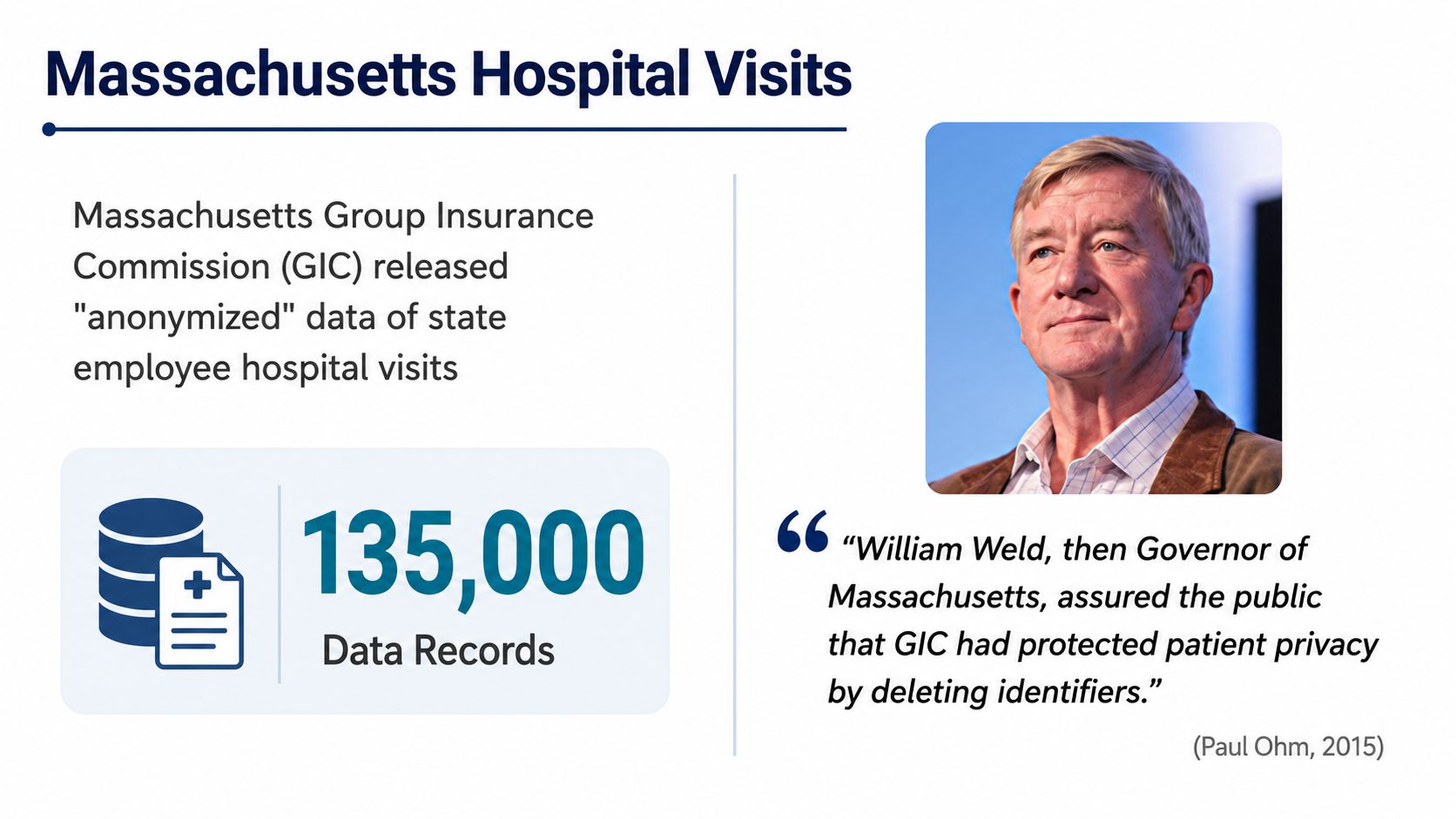
Narrative-driven layout with prominent quote and image
Before
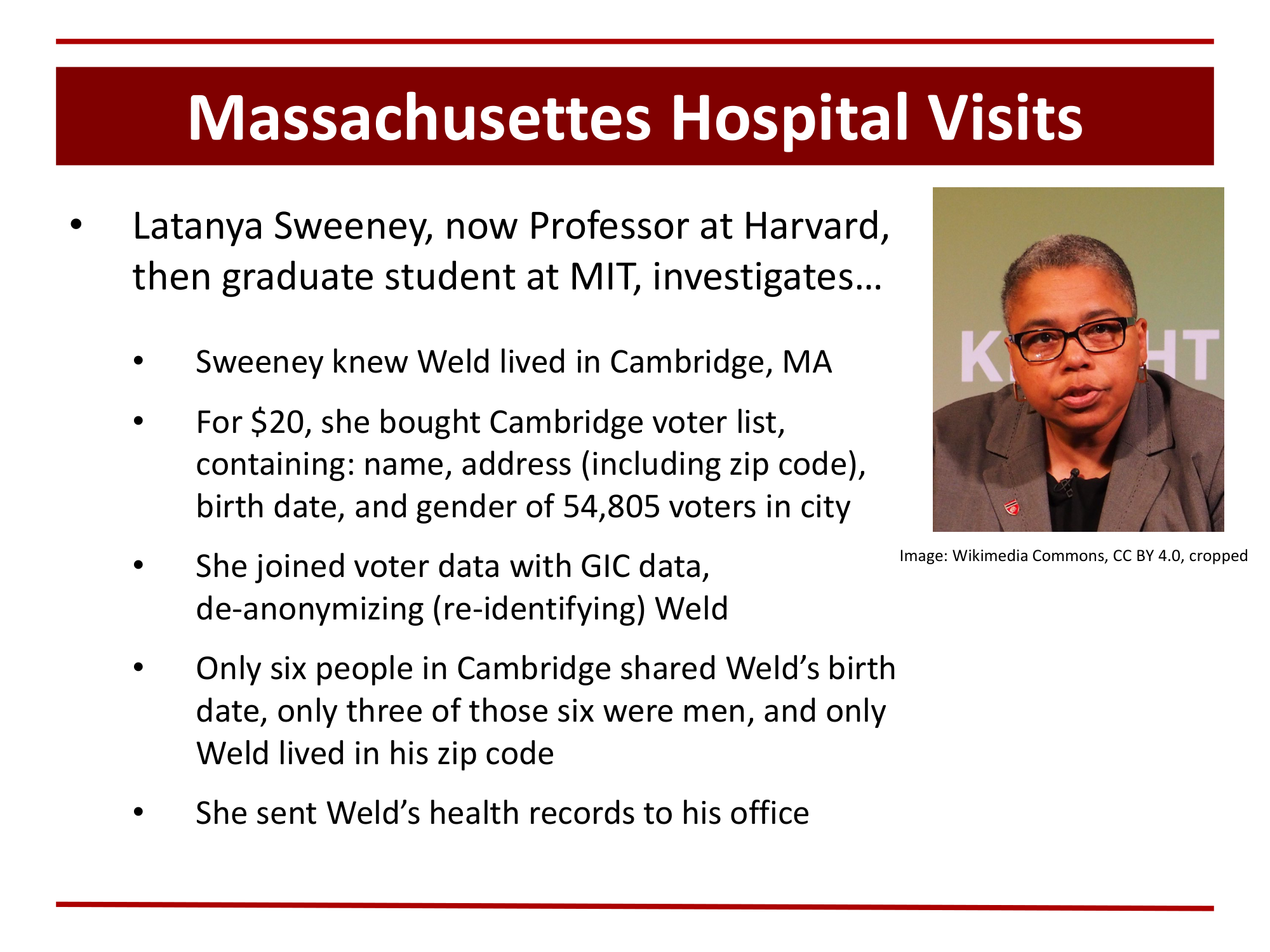
Long bullet narrative with small photo
After
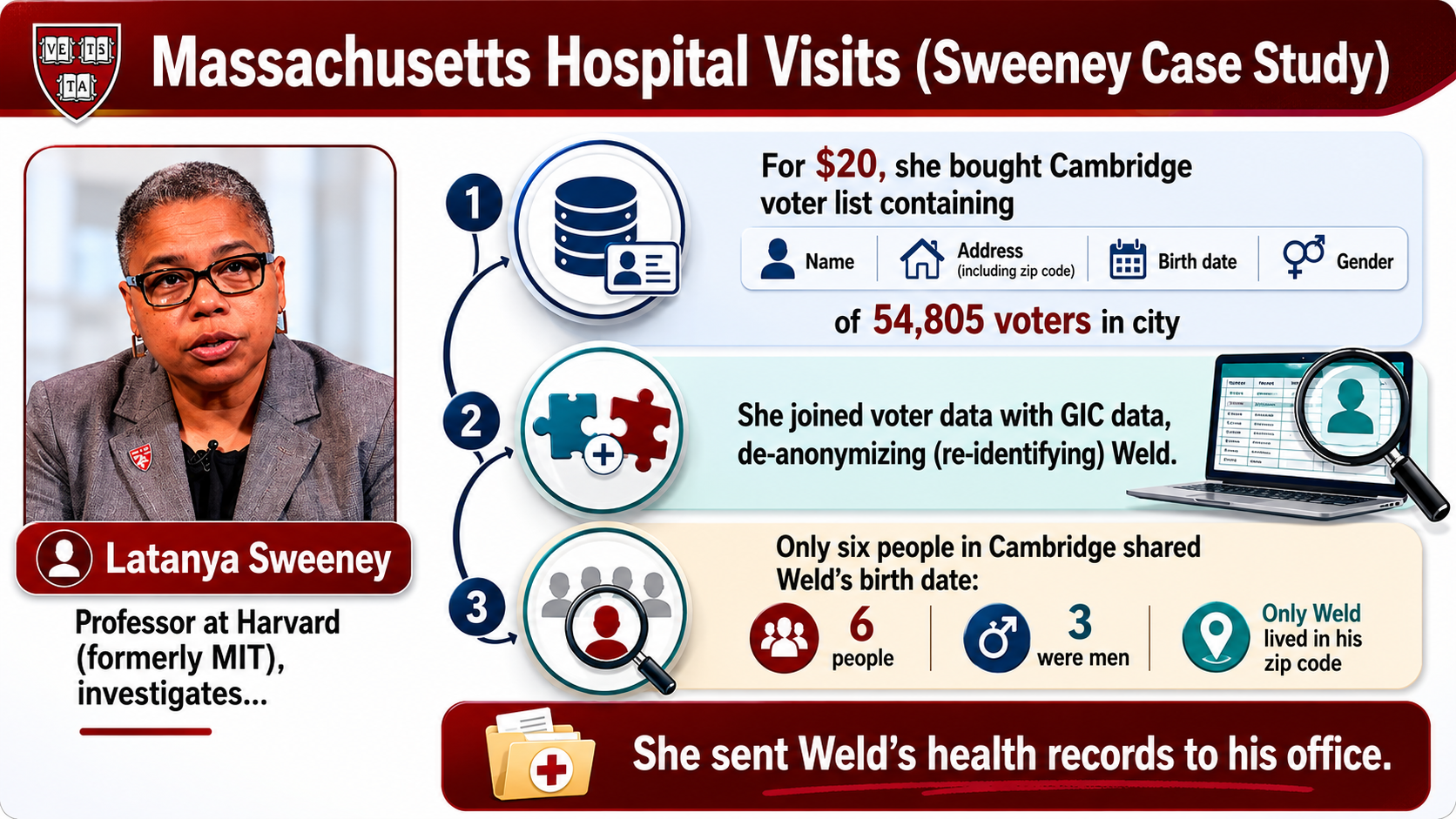
Step-by-step investigation flow with clear progression
Before
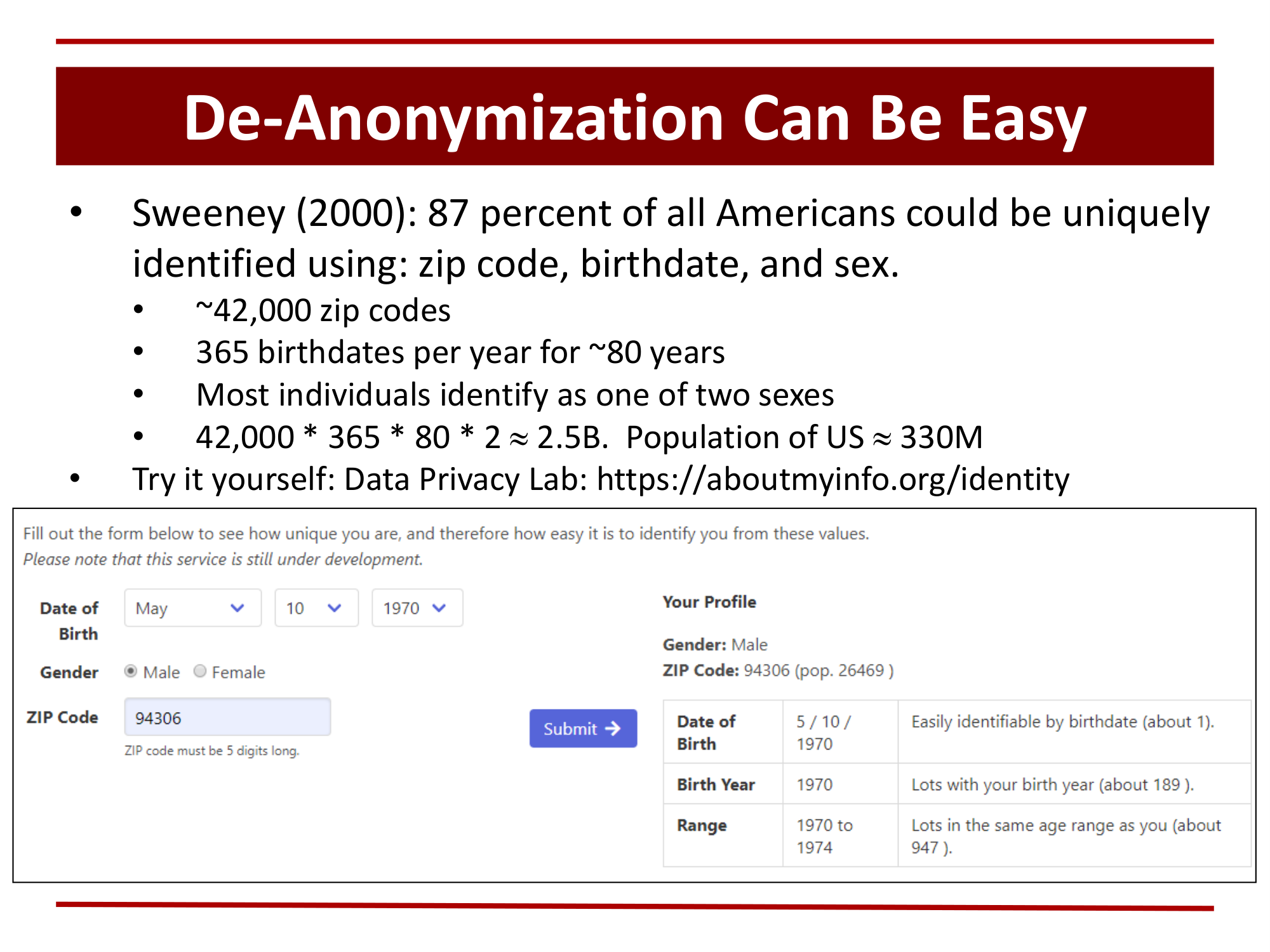
Statistics mixed with screenshot of Data Privacy Lab tool
After
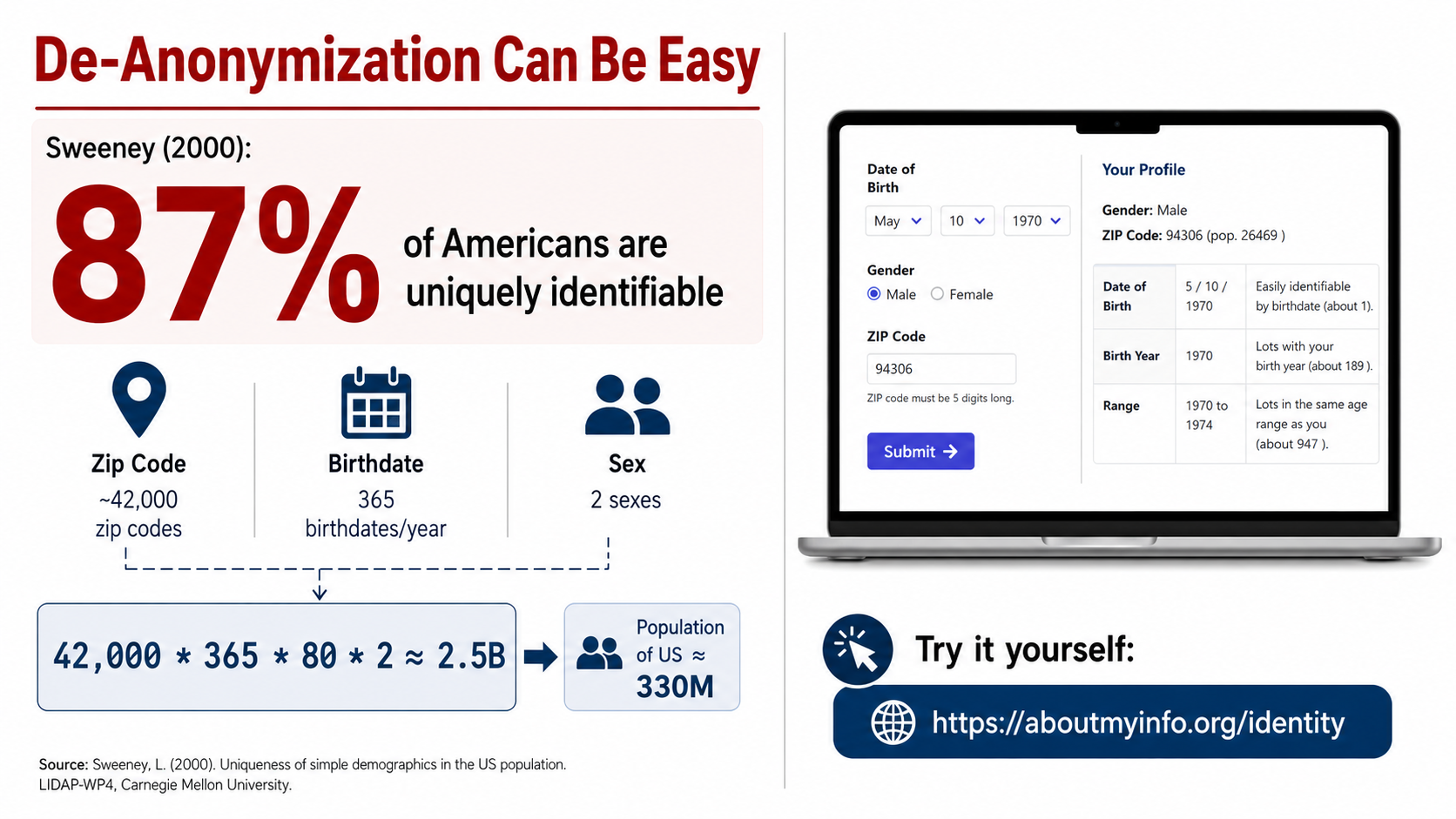
Large highlighted statistic with clean demo preview
Before
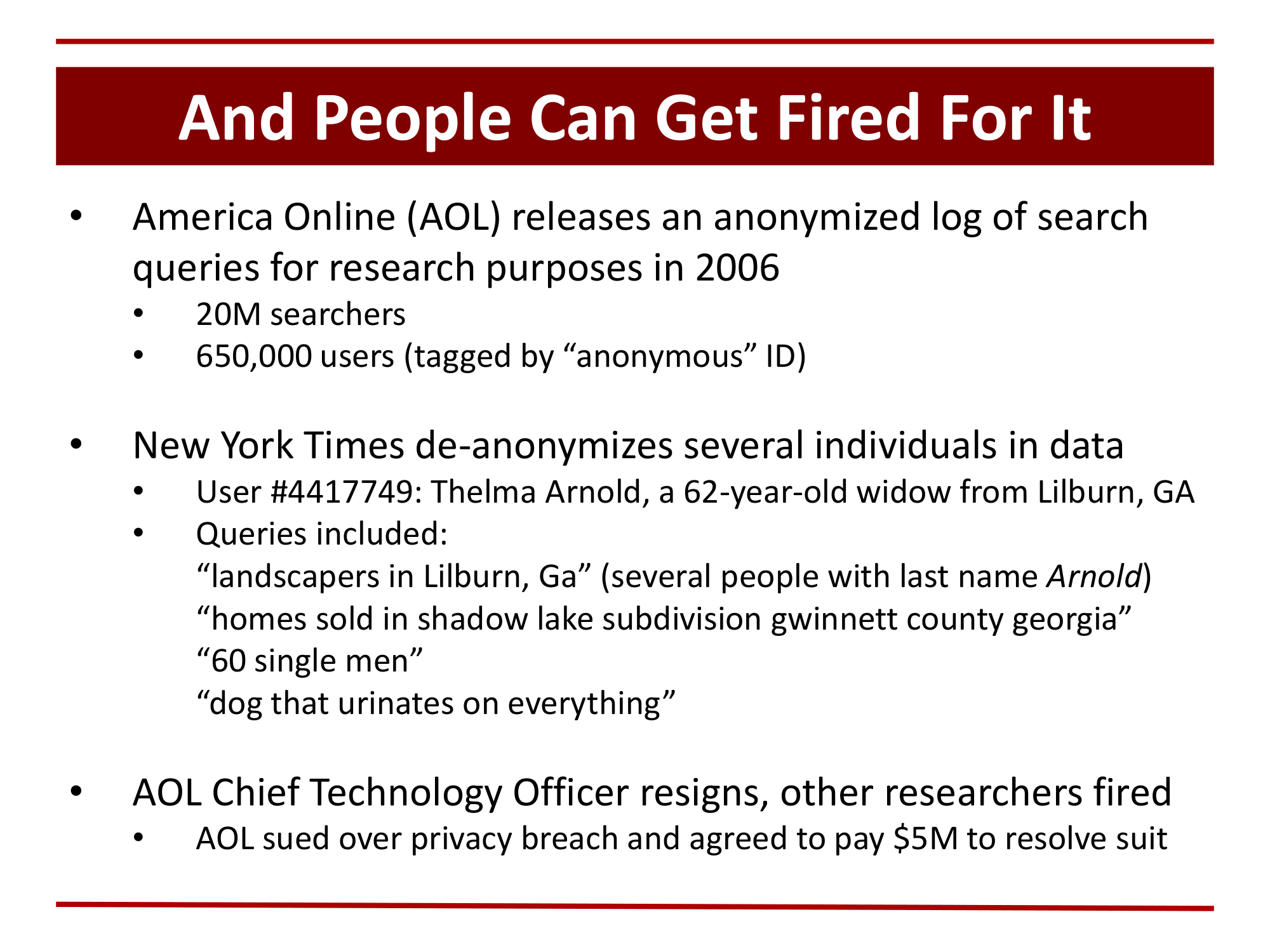
Dense paragraph-style bullets about AOL incident
After
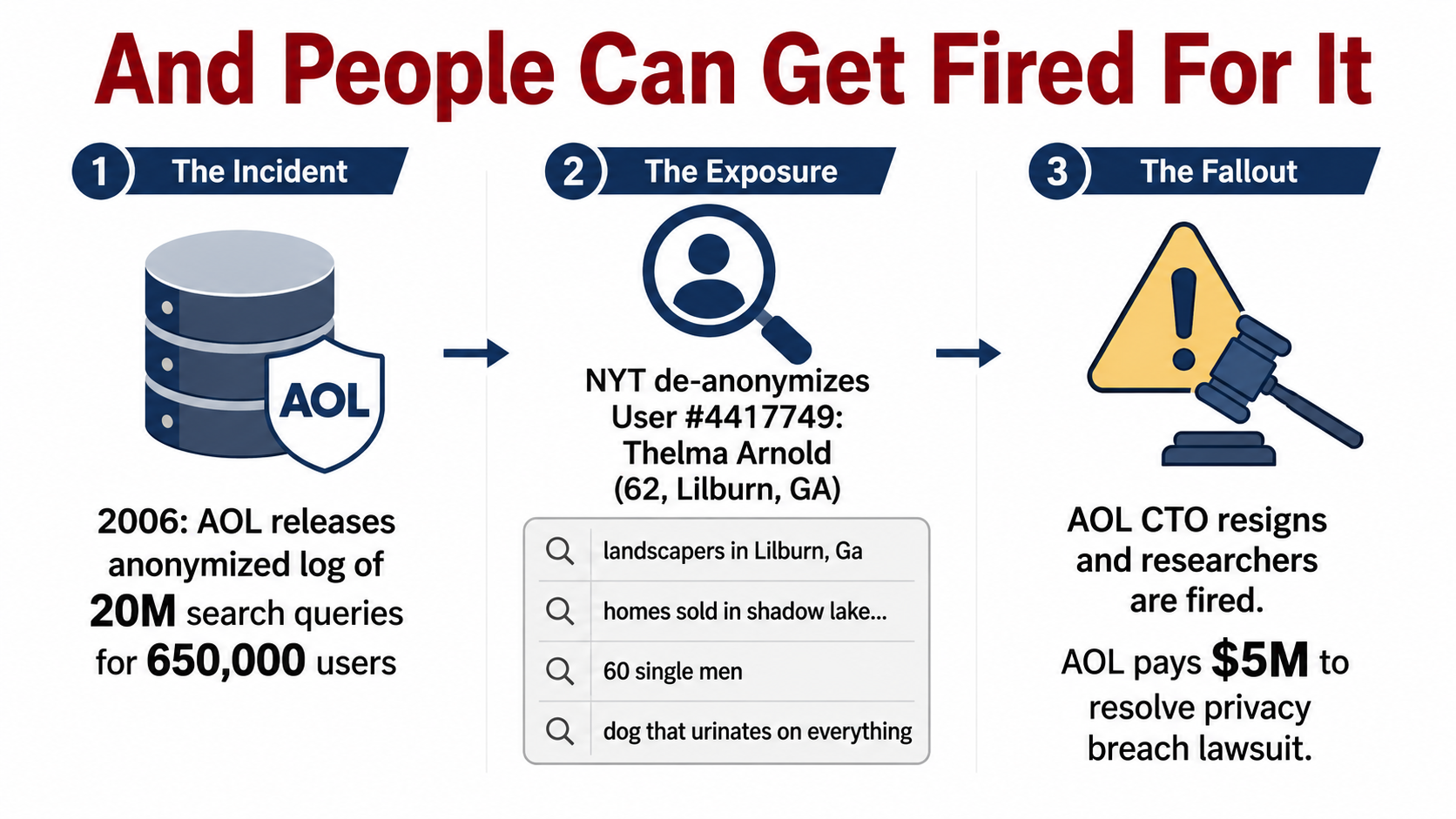
Timeline narrative with highlighted consequences
Before
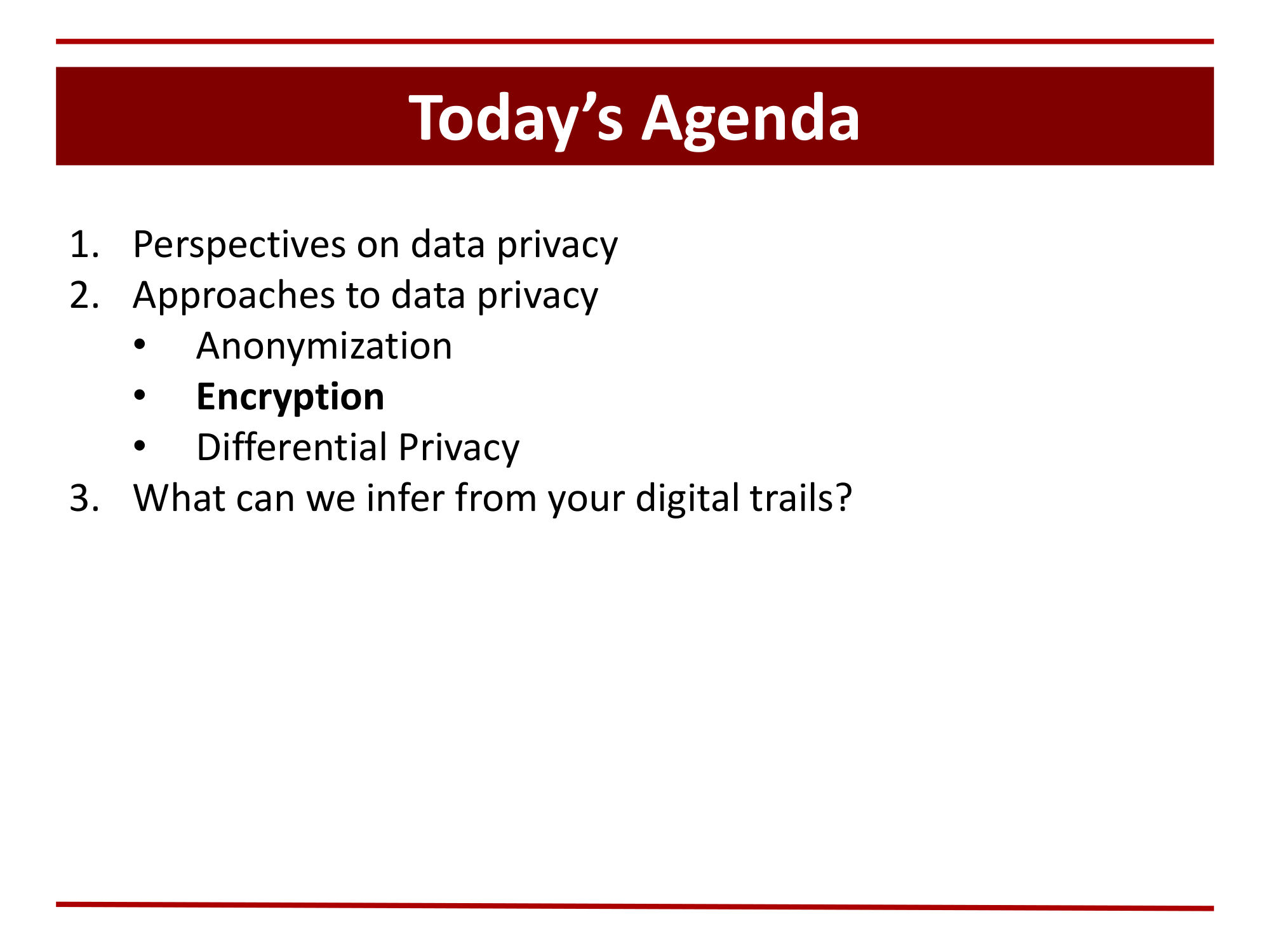
Same agenda template, bold on Encryption
After
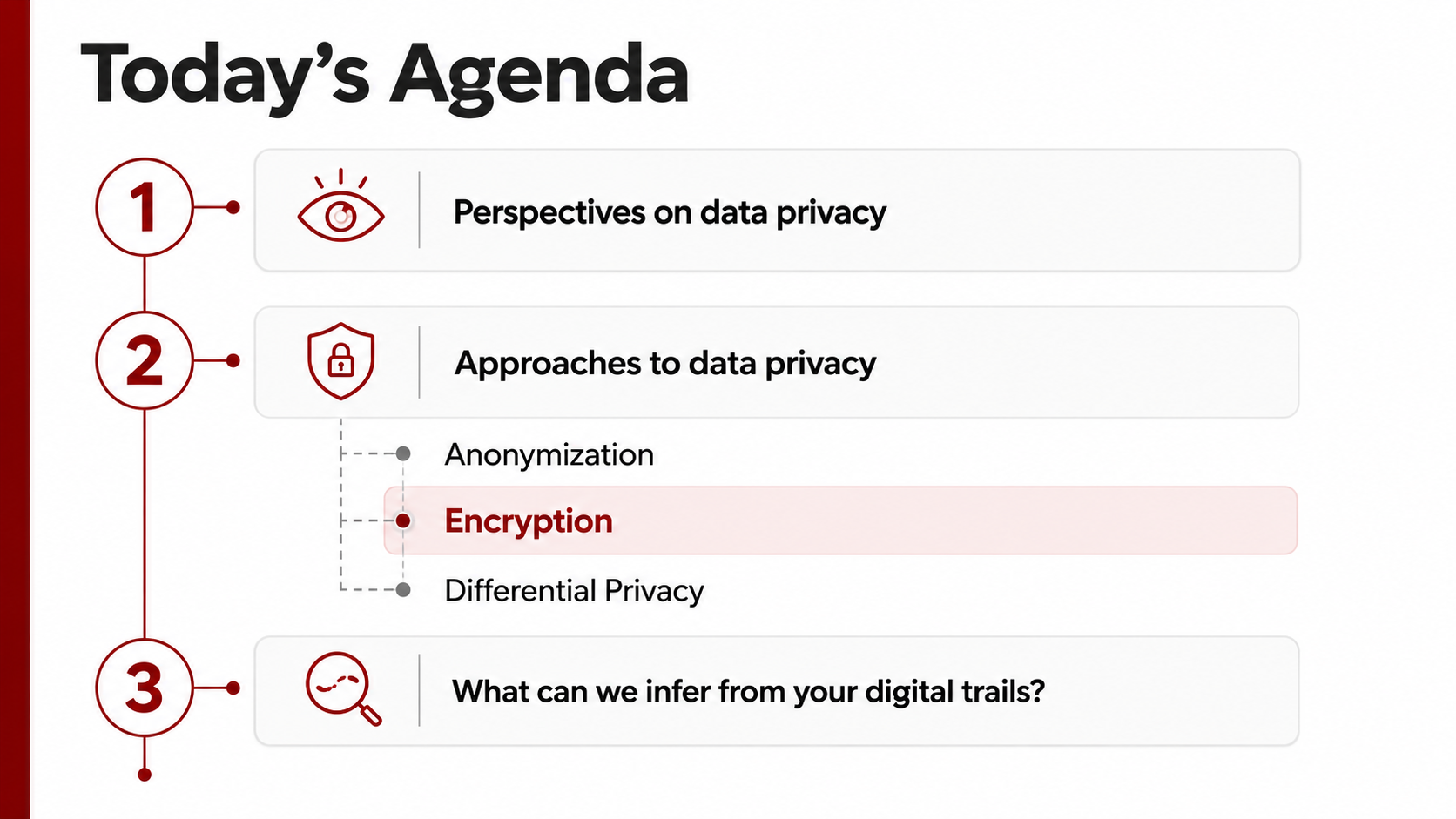
Section transition with visual progress marker
Before
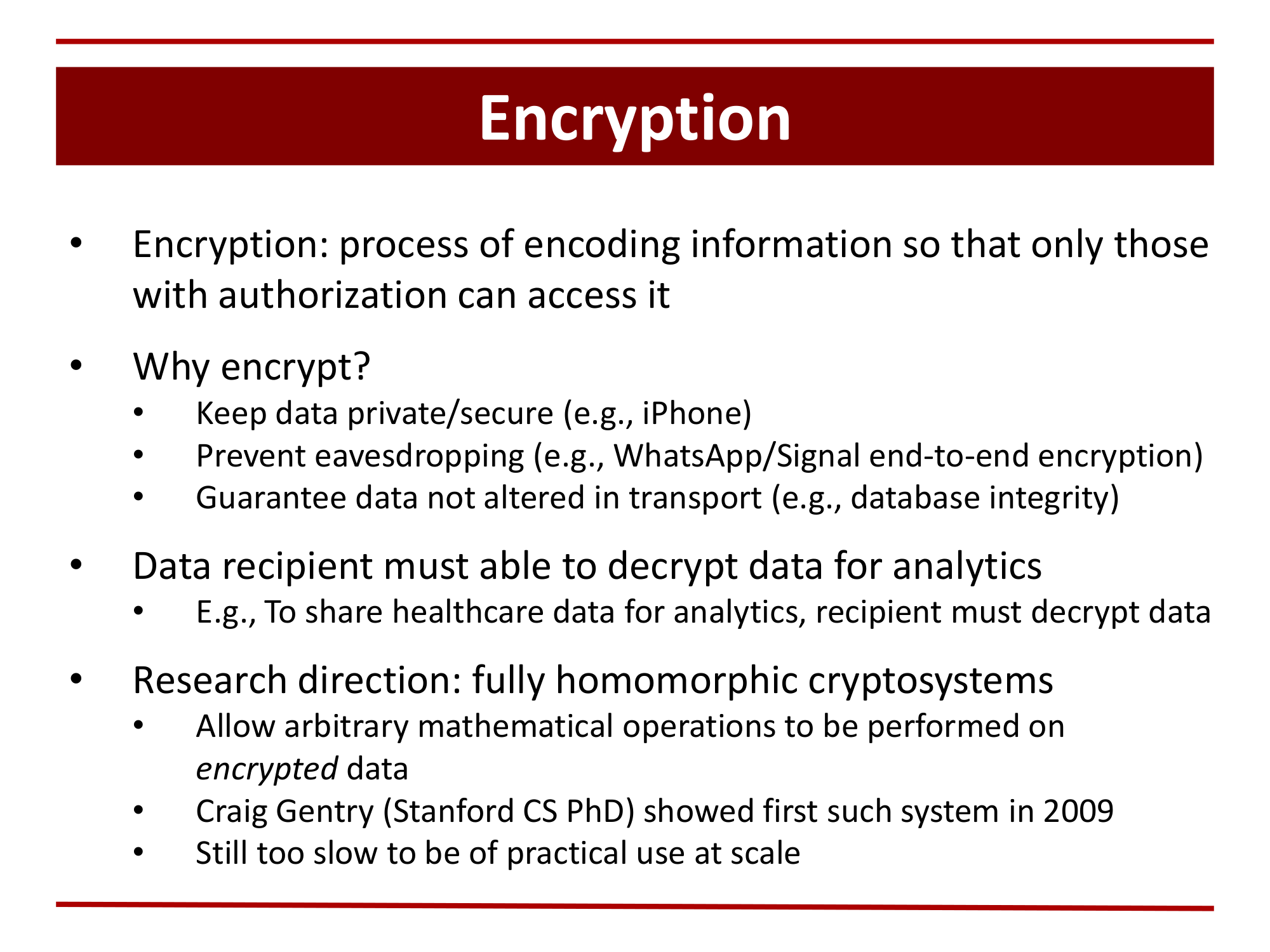
Three-level nested bullets covering multiple concepts
After
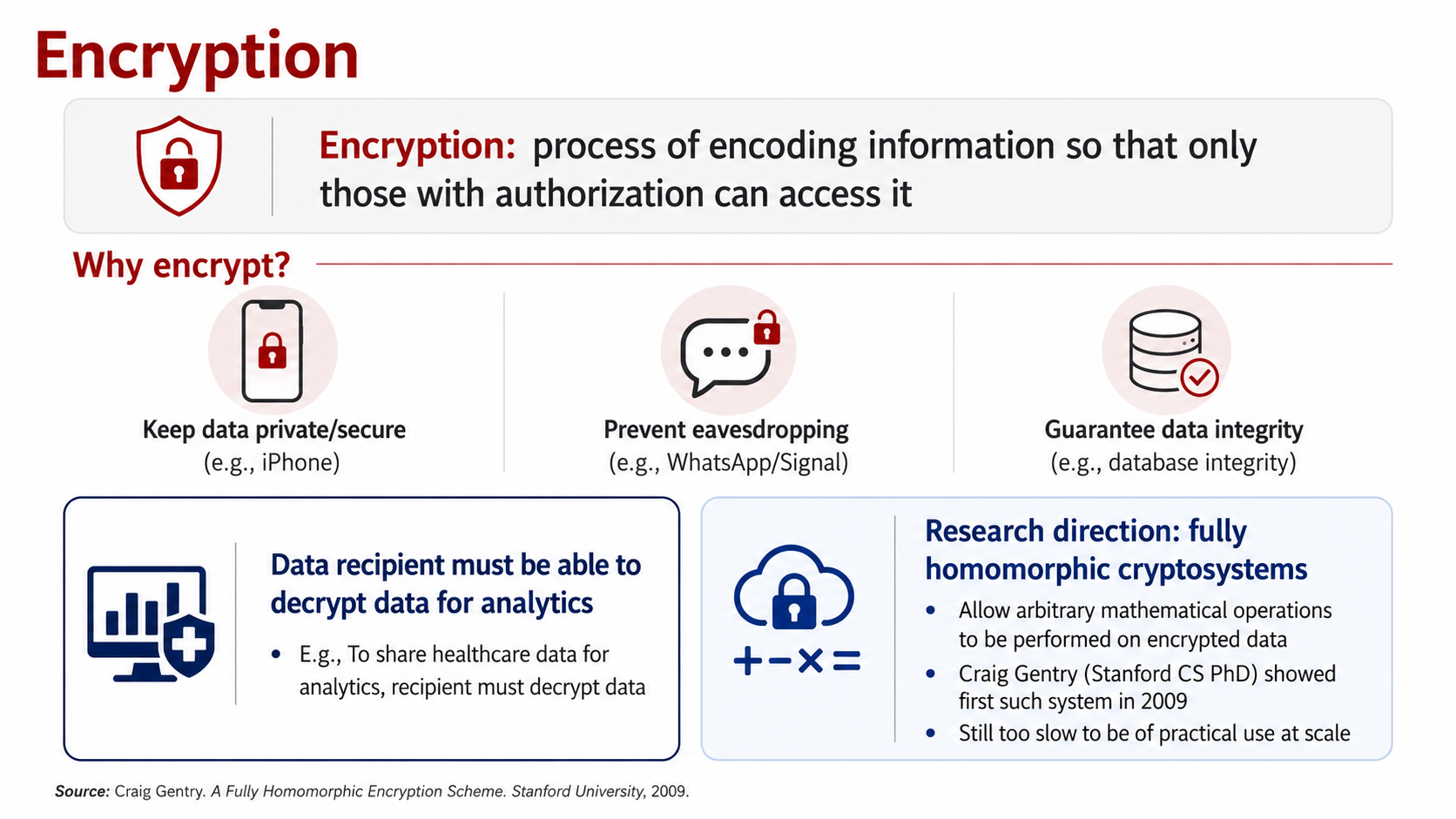
Segmented concept blocks with clear visual hierarchy
Before
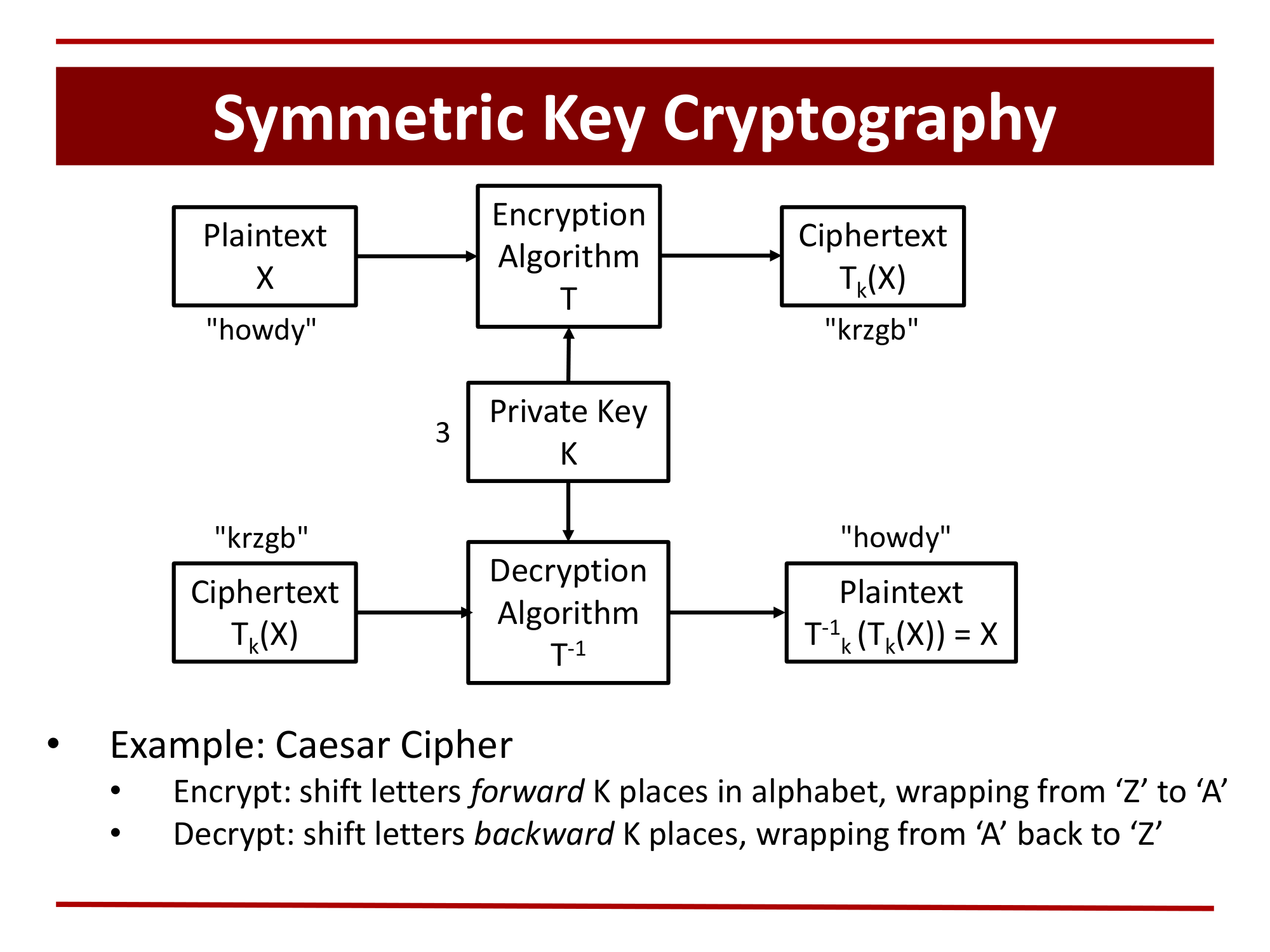
Hand-drawn style flow diagram with small labels
After
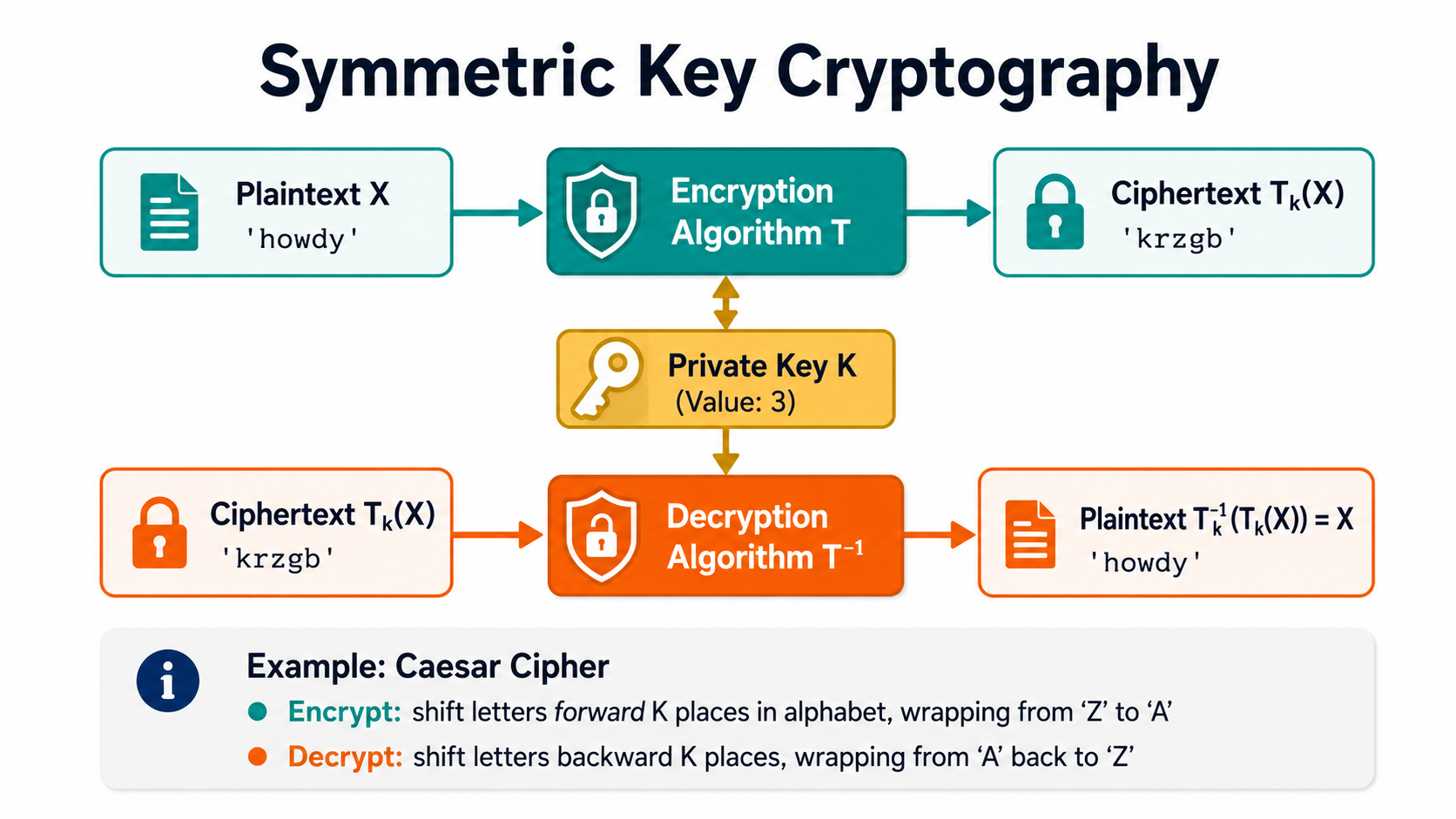
Clean, modern flow diagram with readable labels
Before
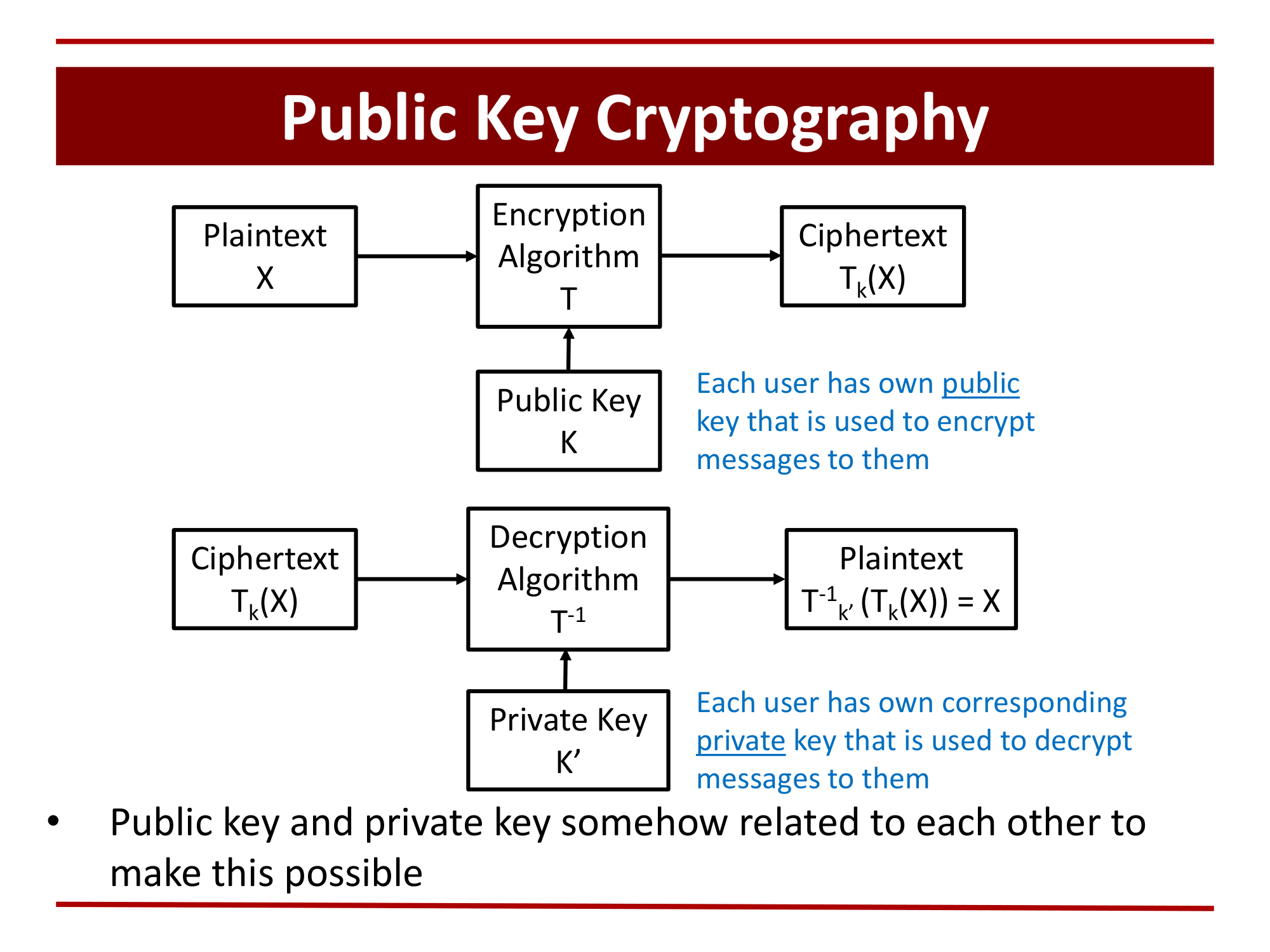
Dense diagram with inline blue text annotations
After
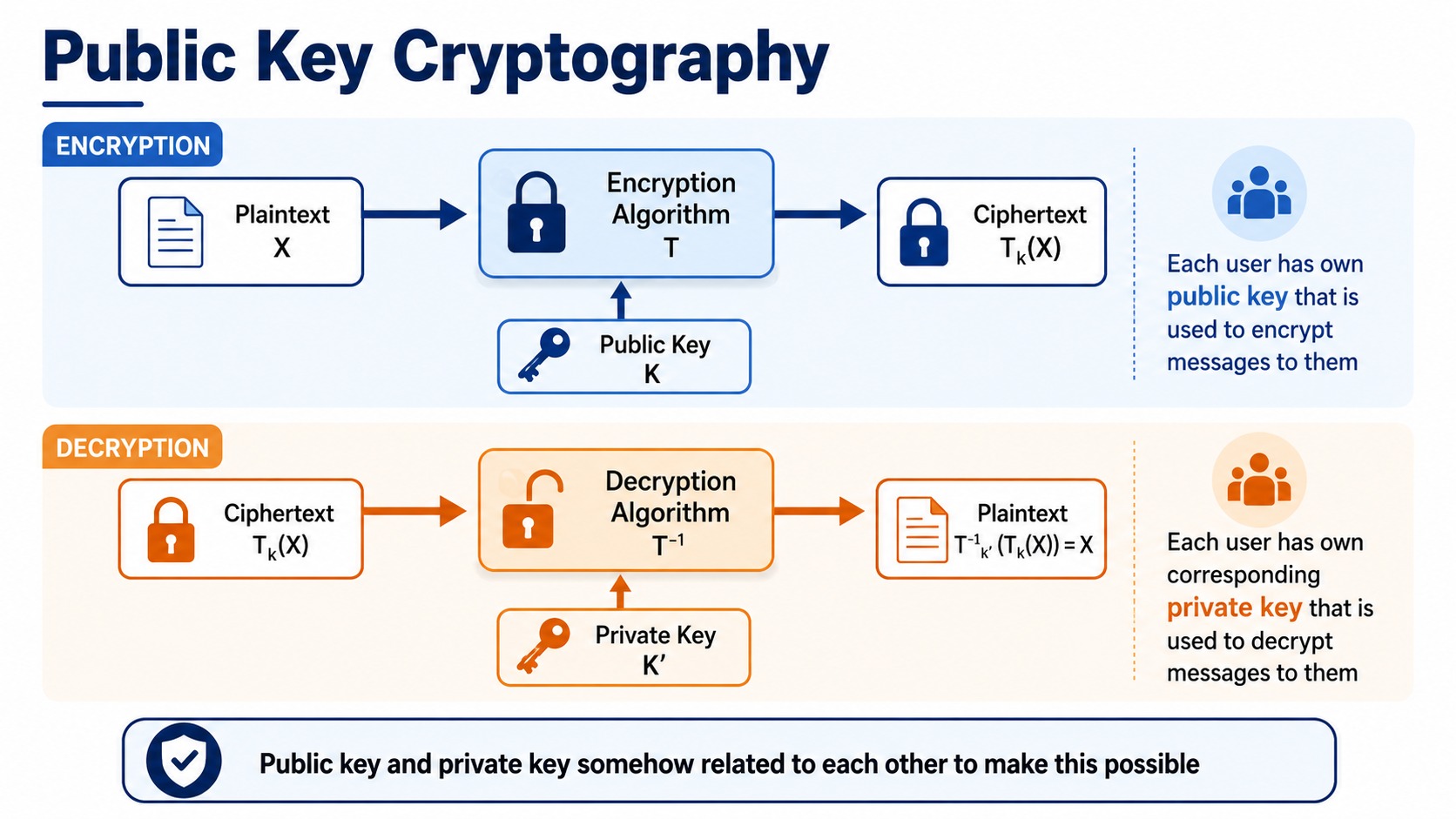
Clear dual-path diagram with highlighted key differences
Before
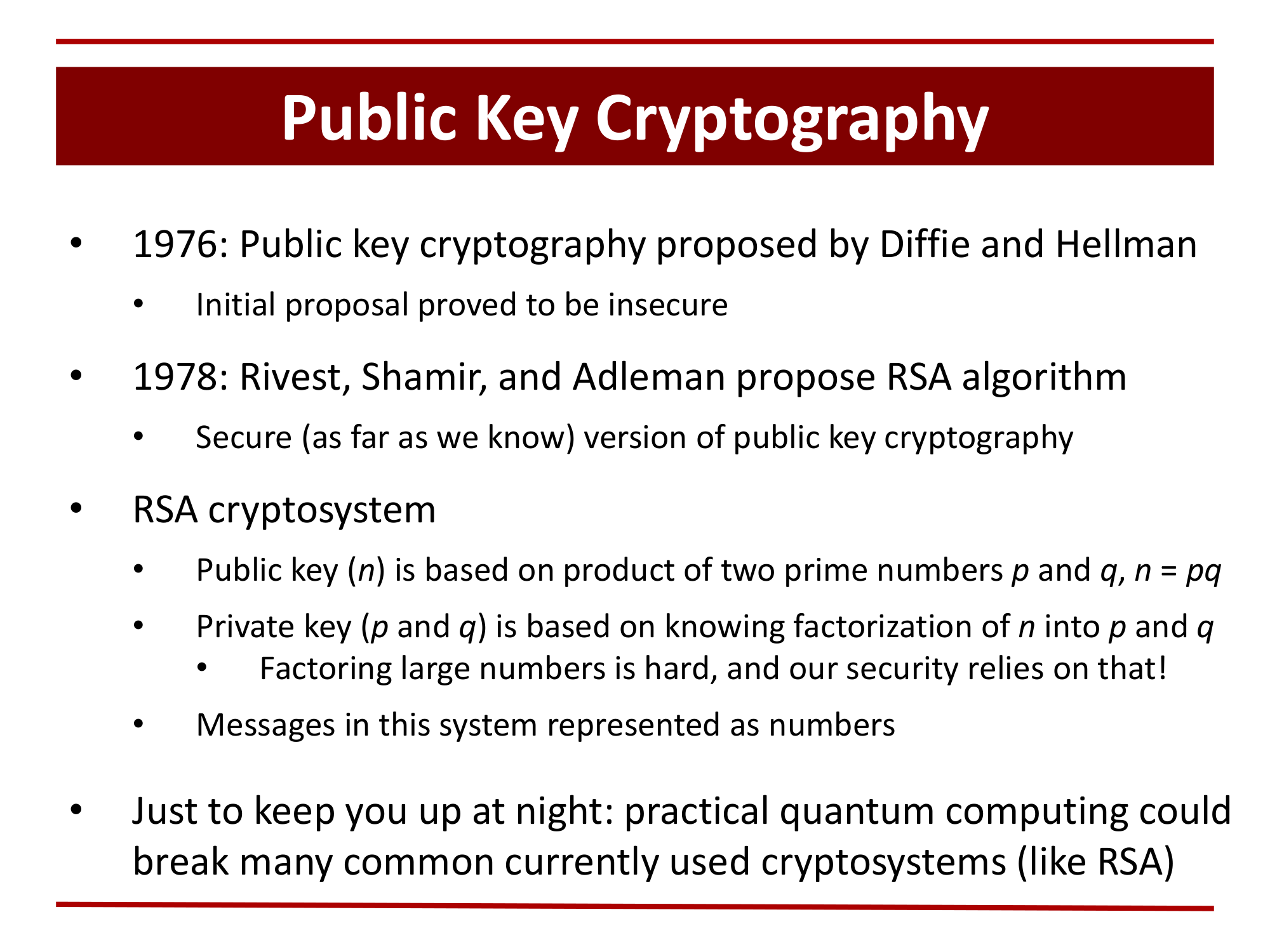
Chronological bullets with nested mathematical details
After
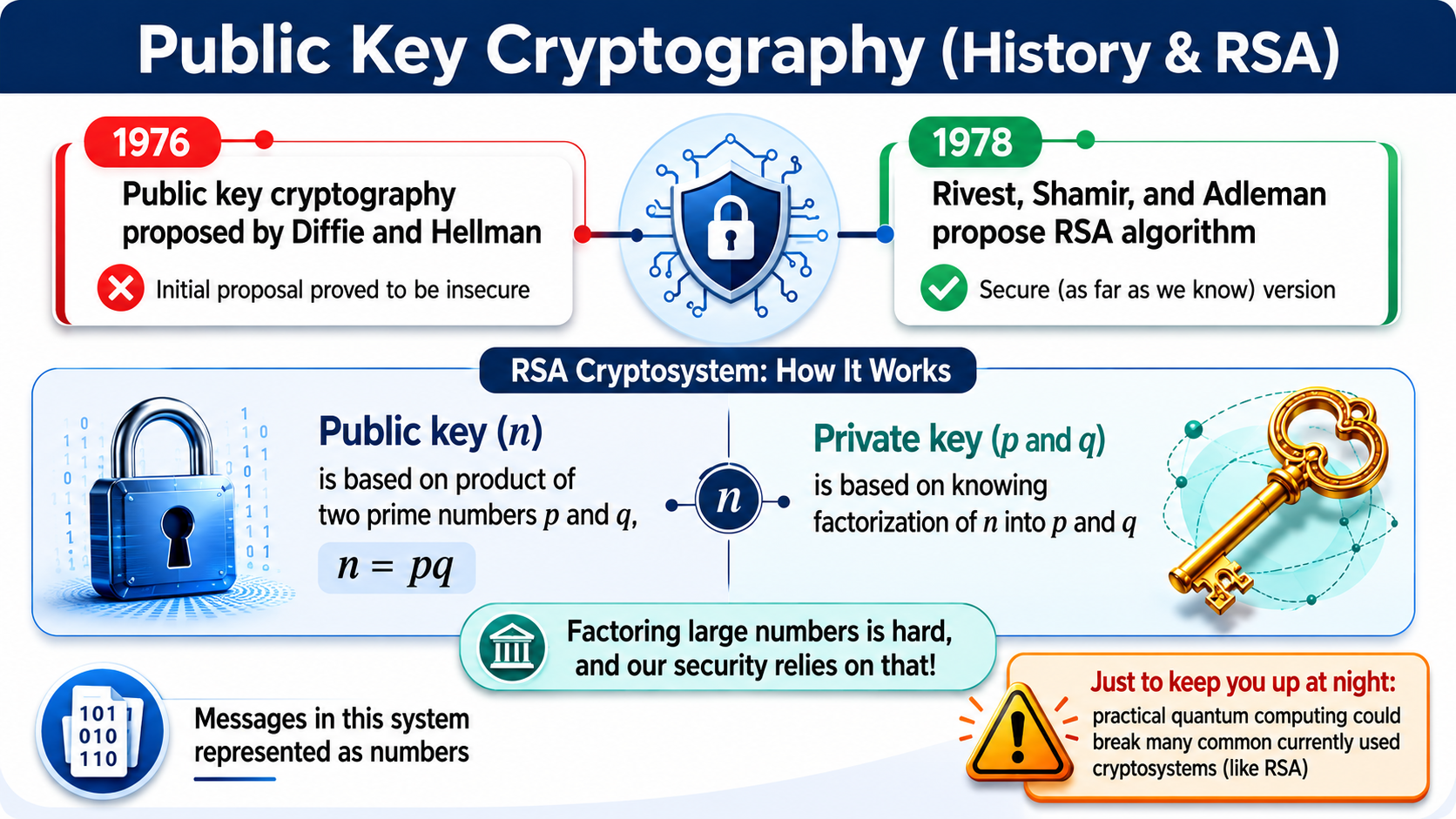
Visual timeline with highlighted quantum computing warning
Before
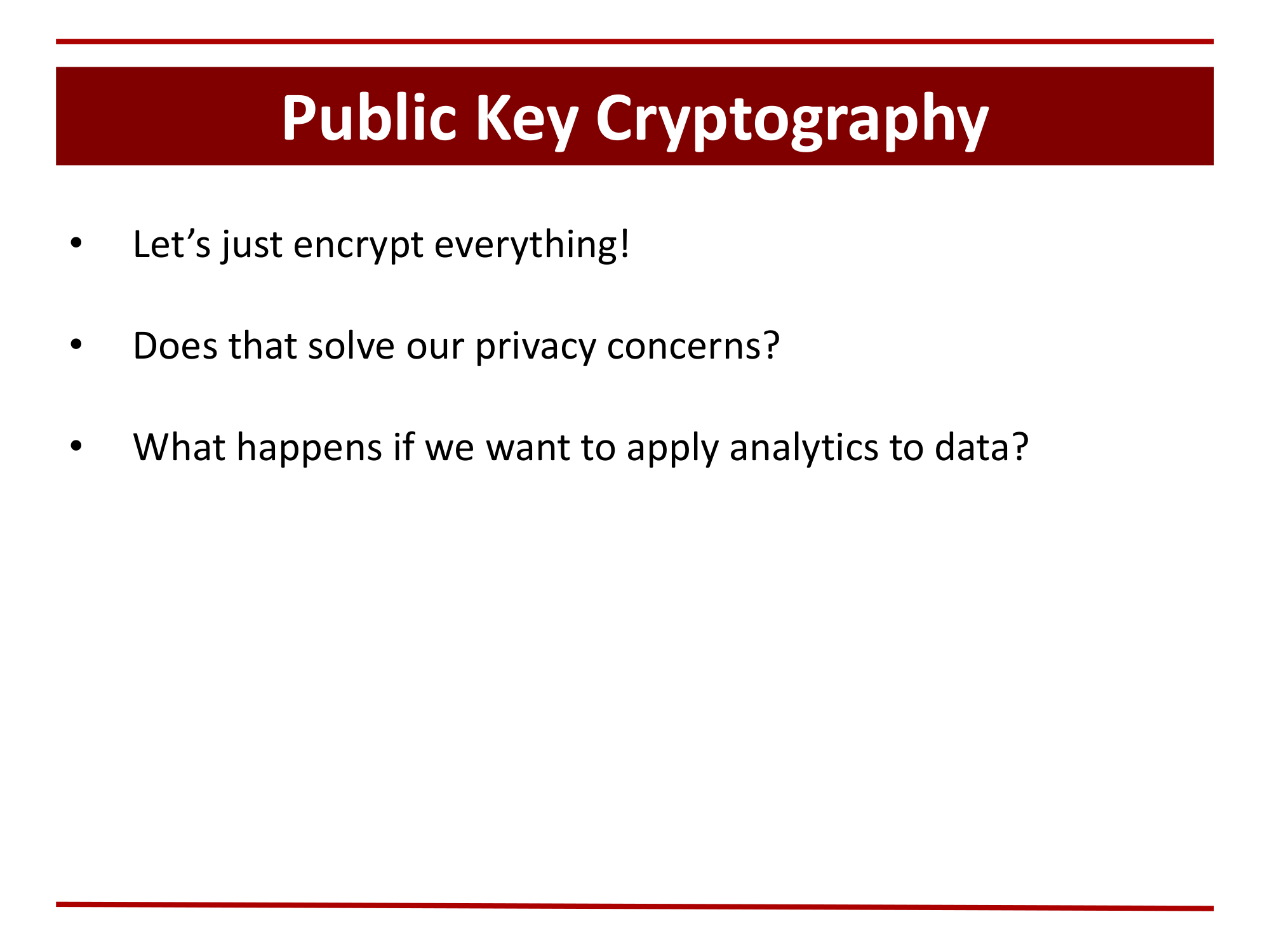
Three bullet-point questions on plain slide
After
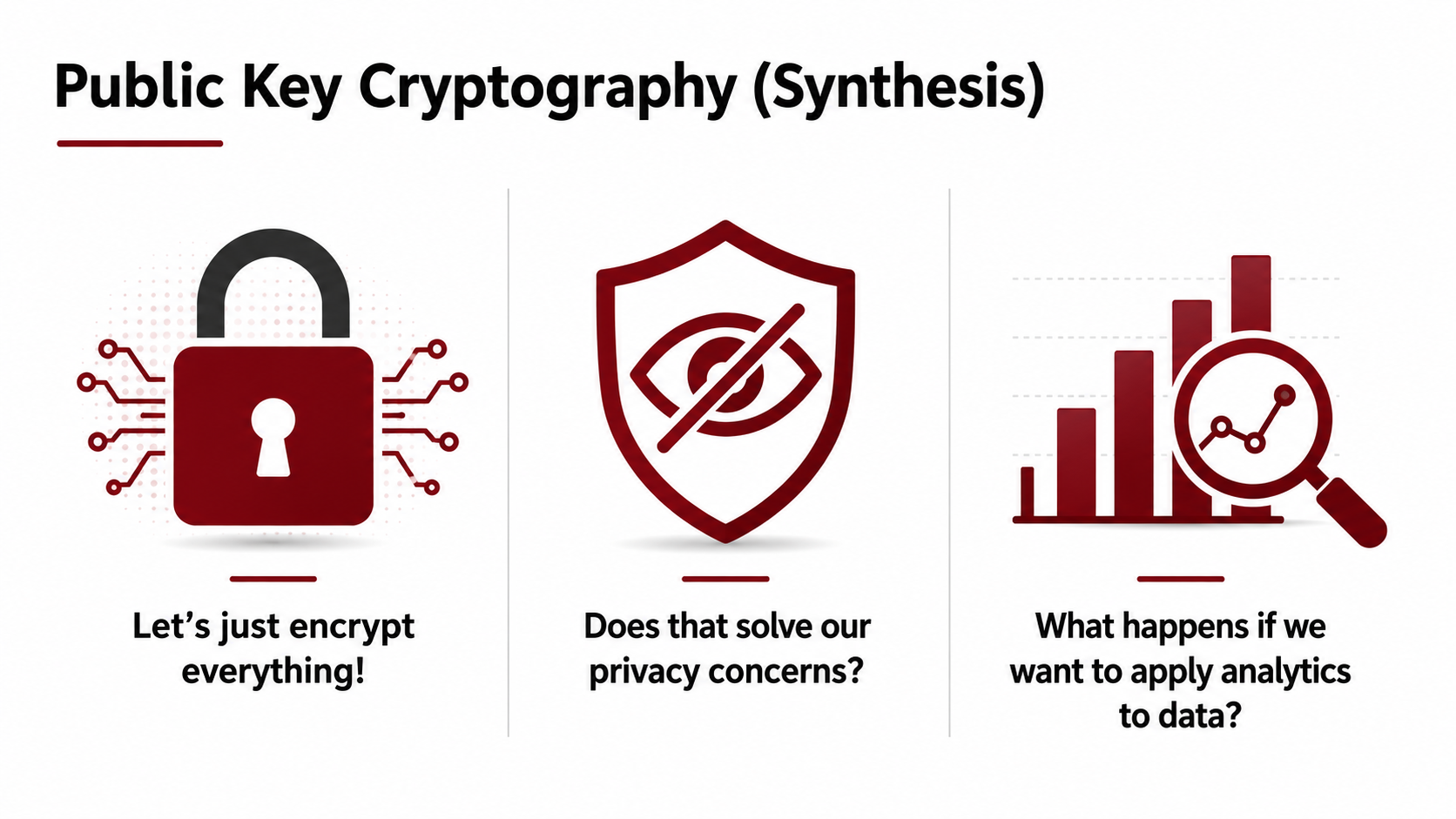
Visual question cards prompting critical thinking
Before
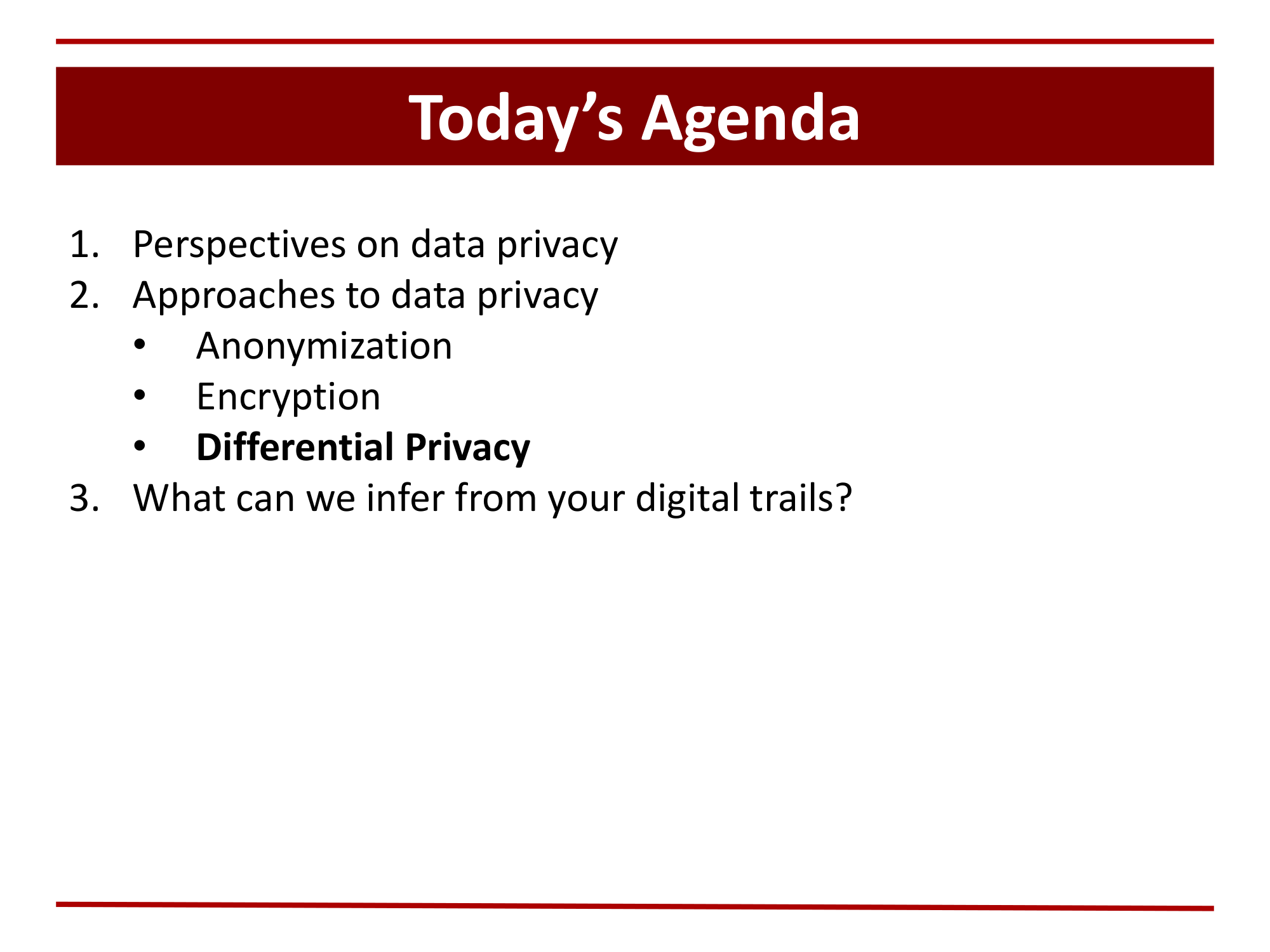
Same agenda, bold on Differential Privacy
After
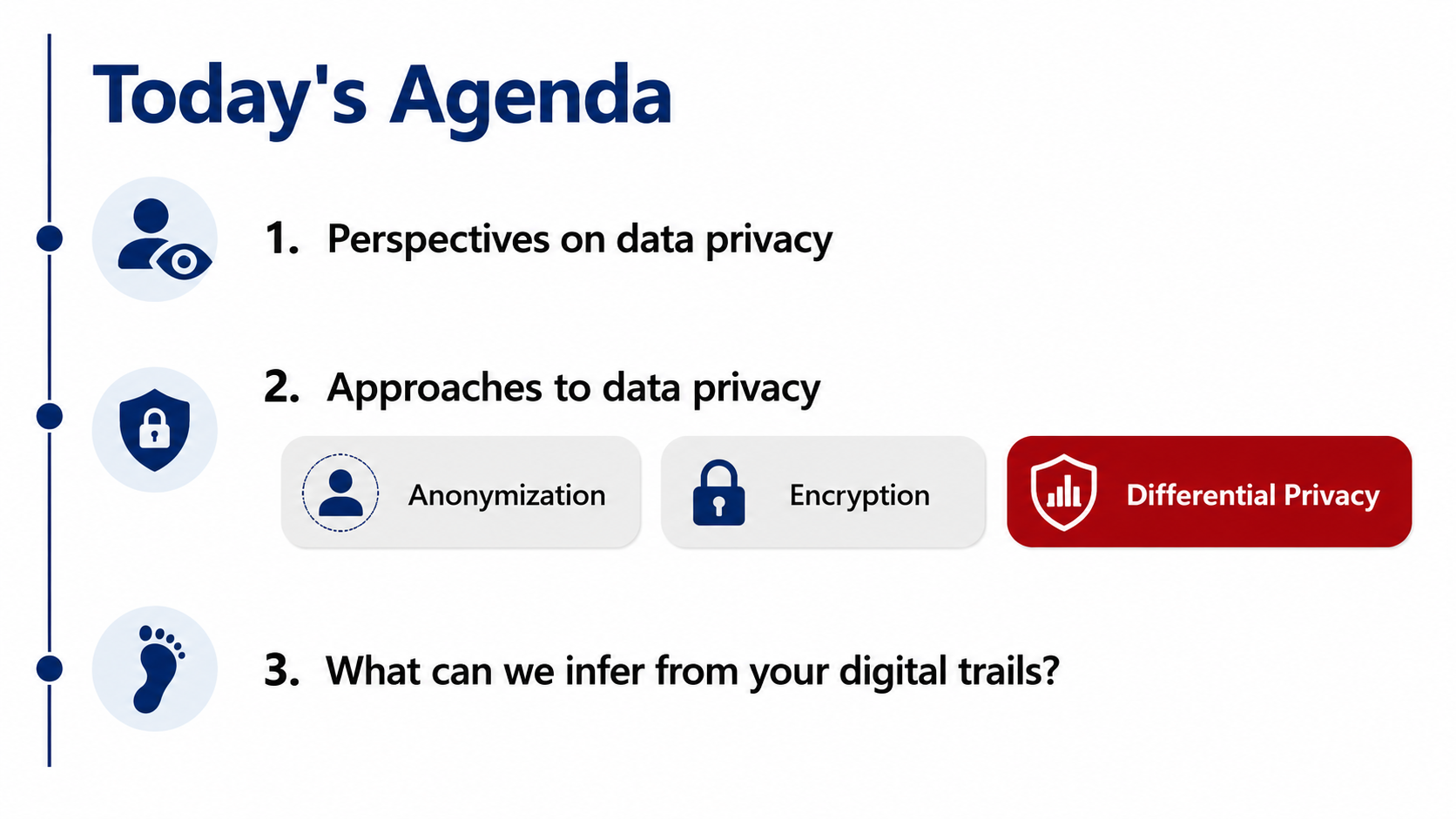
Section transition with progress indicator
Before
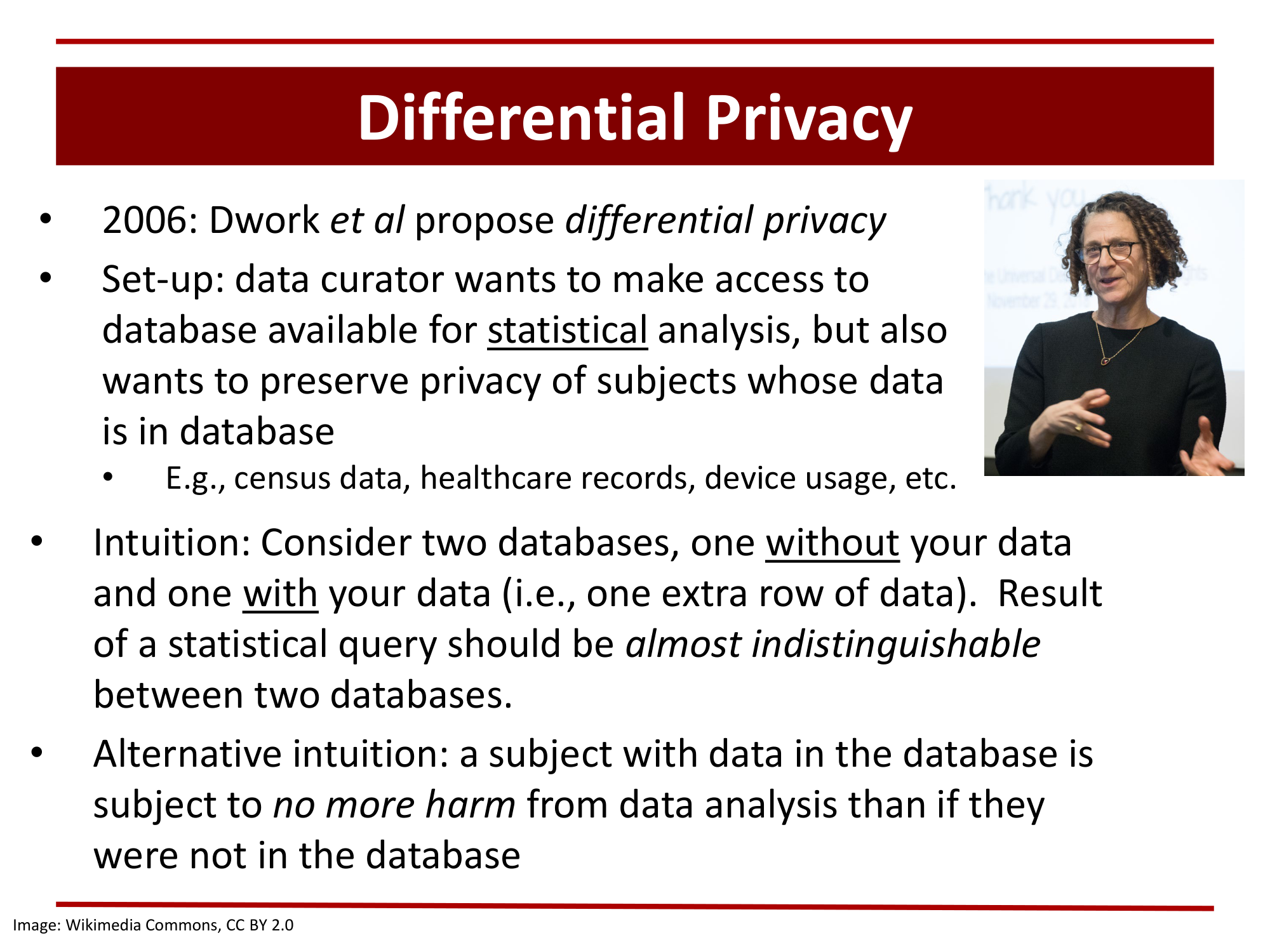
Dense paragraph bullets with small photo
After
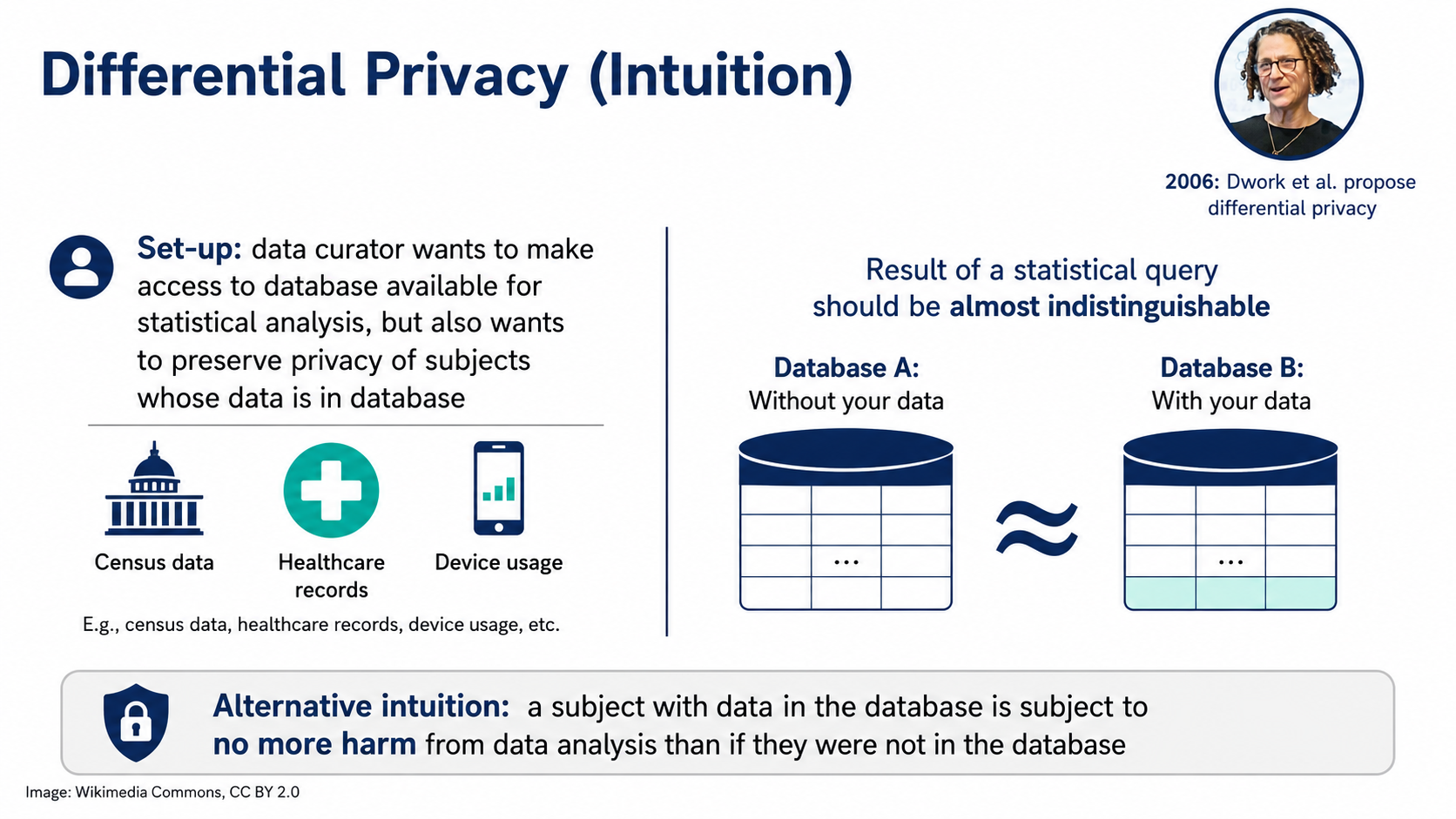
Visual intuition diagram with highlighted key insight
Before
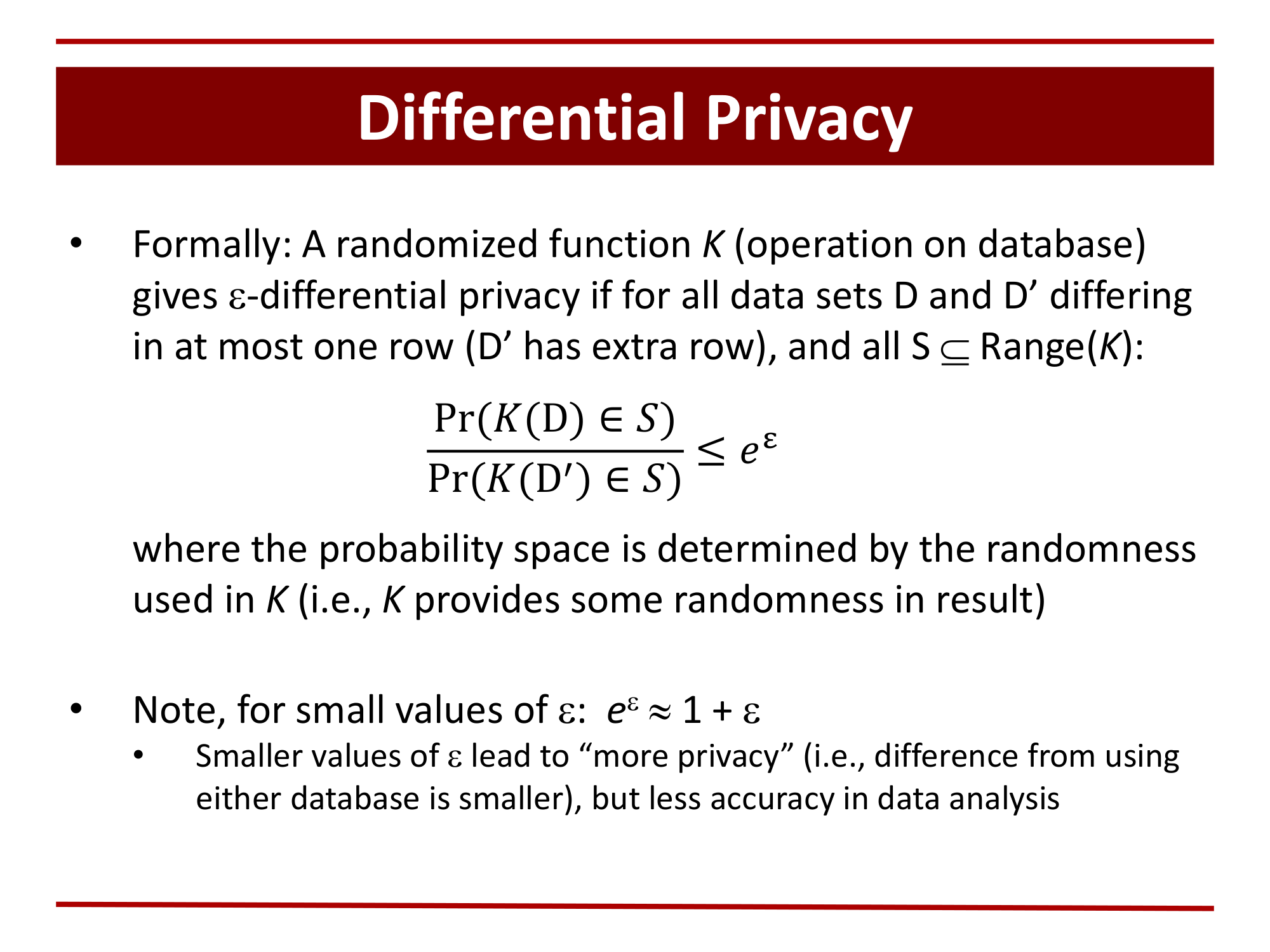
Mathematical notation embedded in bullet text
After
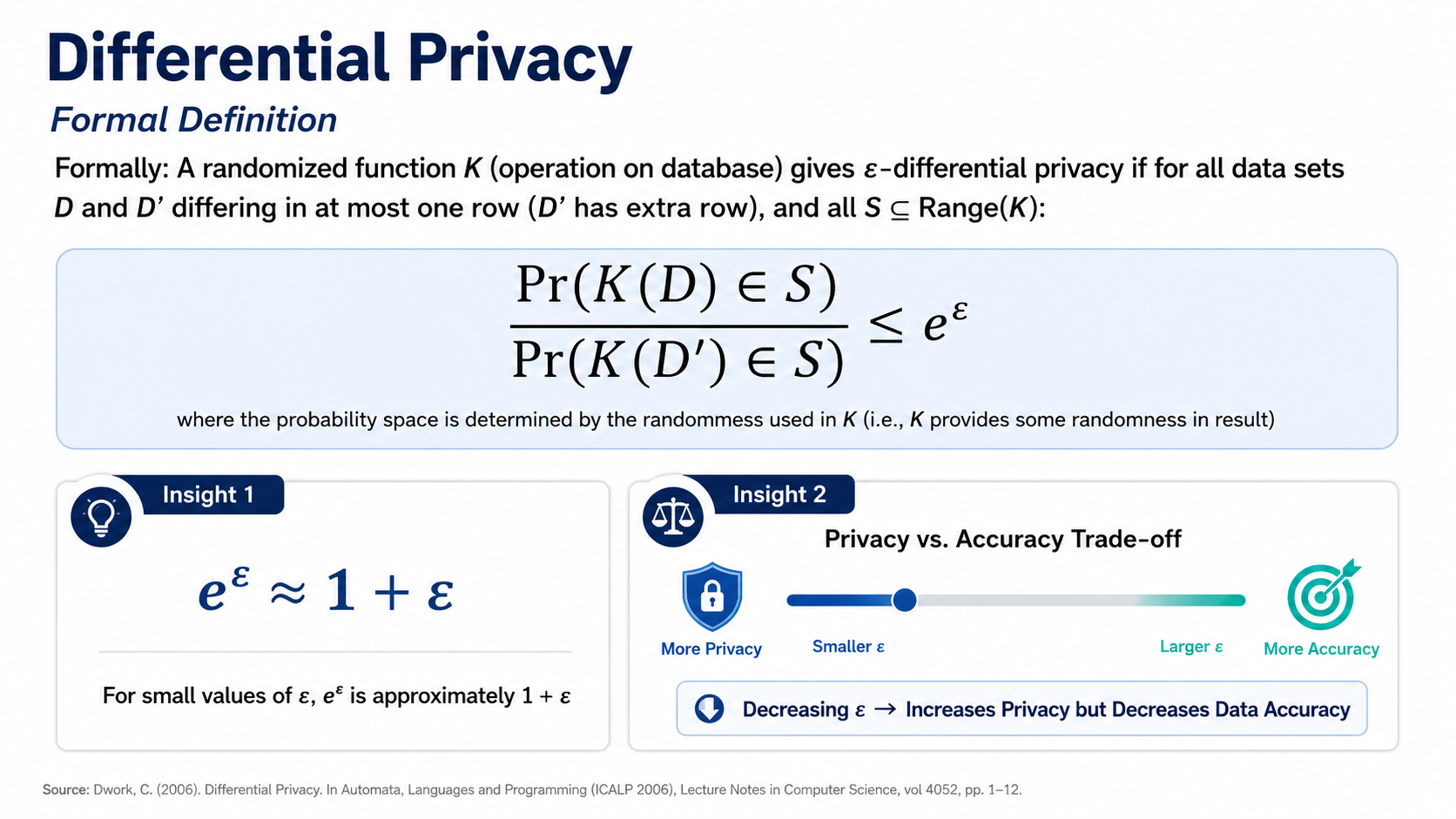
Prominent formula display with visual interpretation
Before
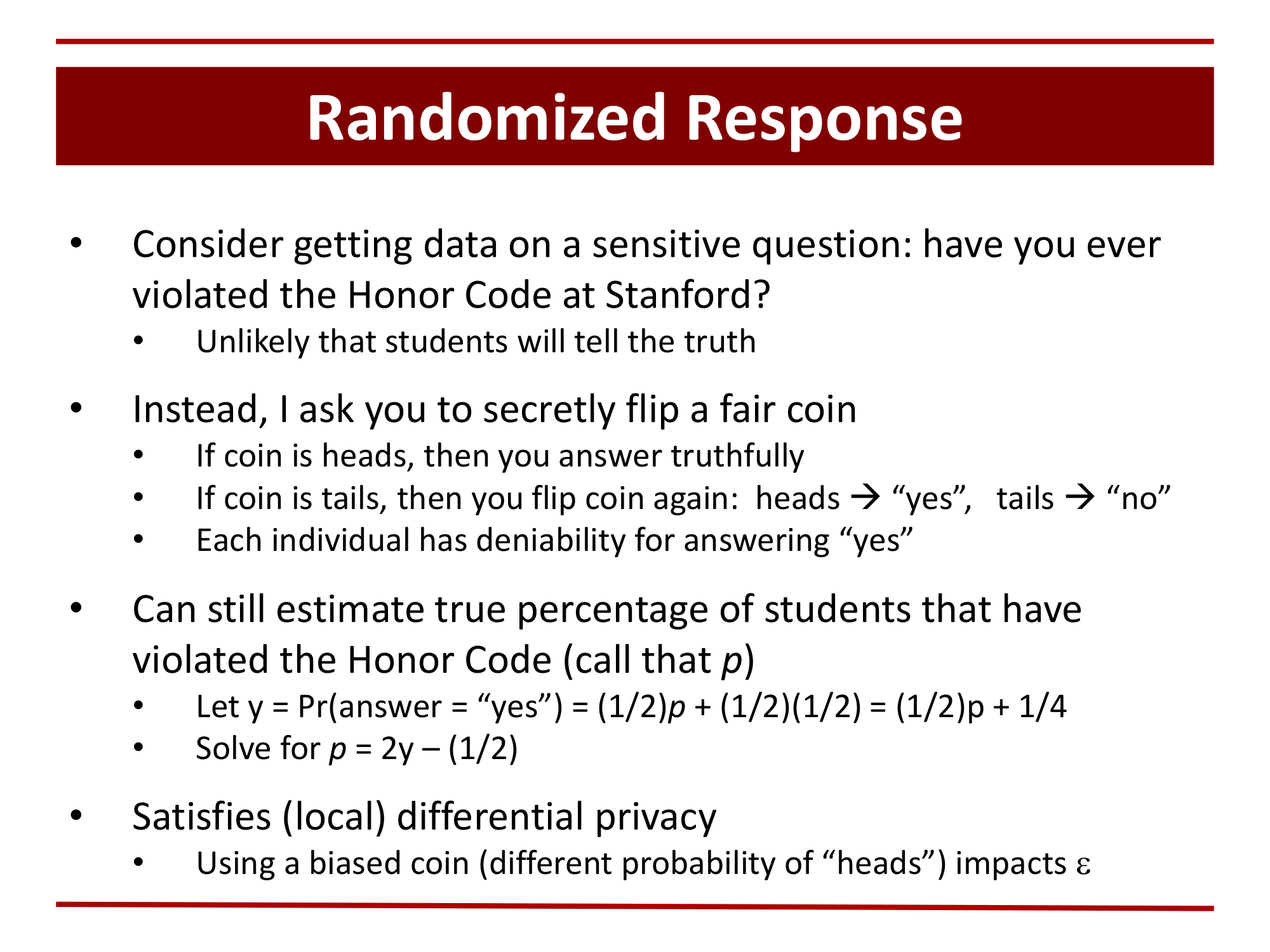
Dense text explaining coin-flip protocol with math
After
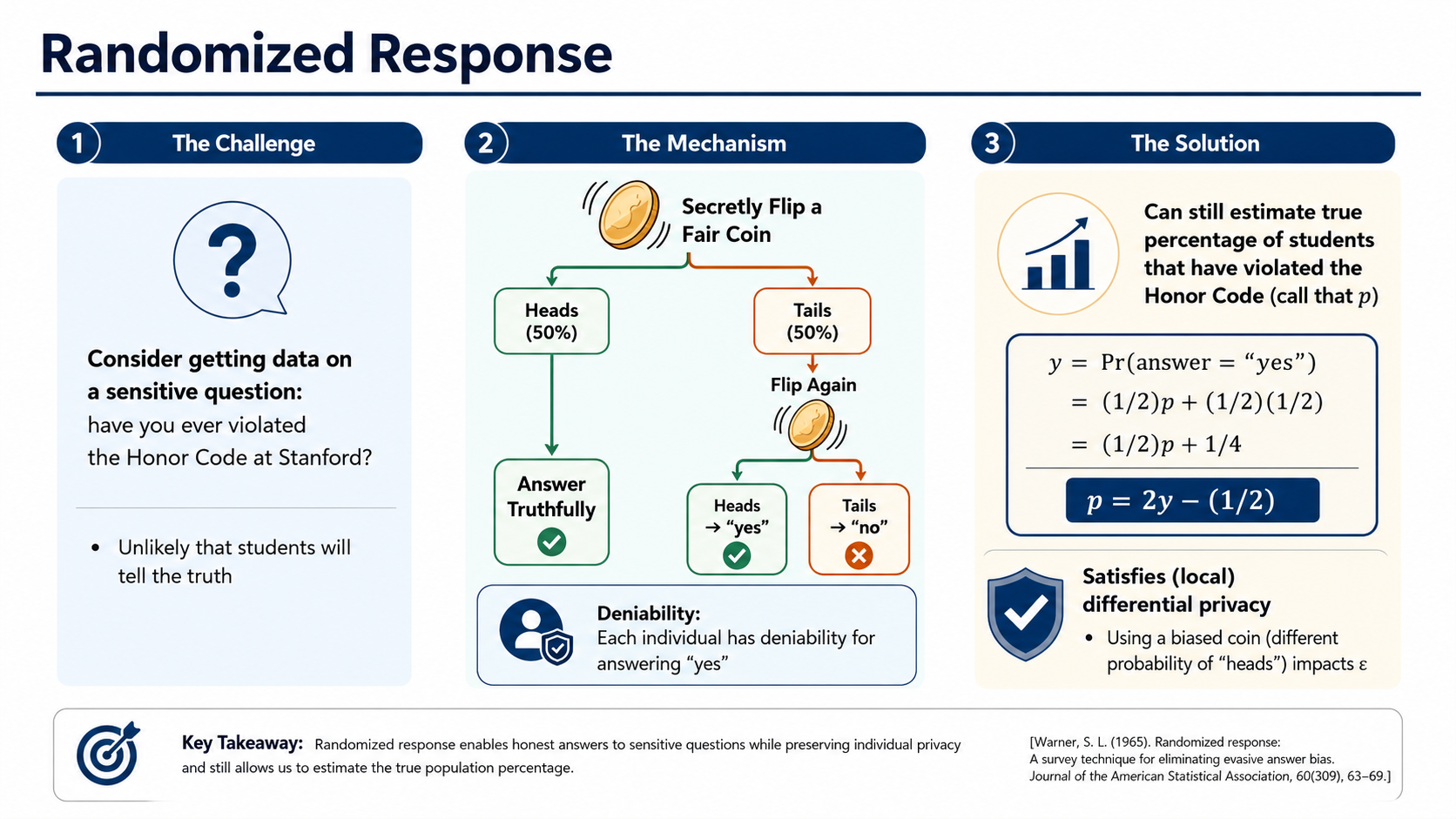
Visual decision tree with probability flow
Before
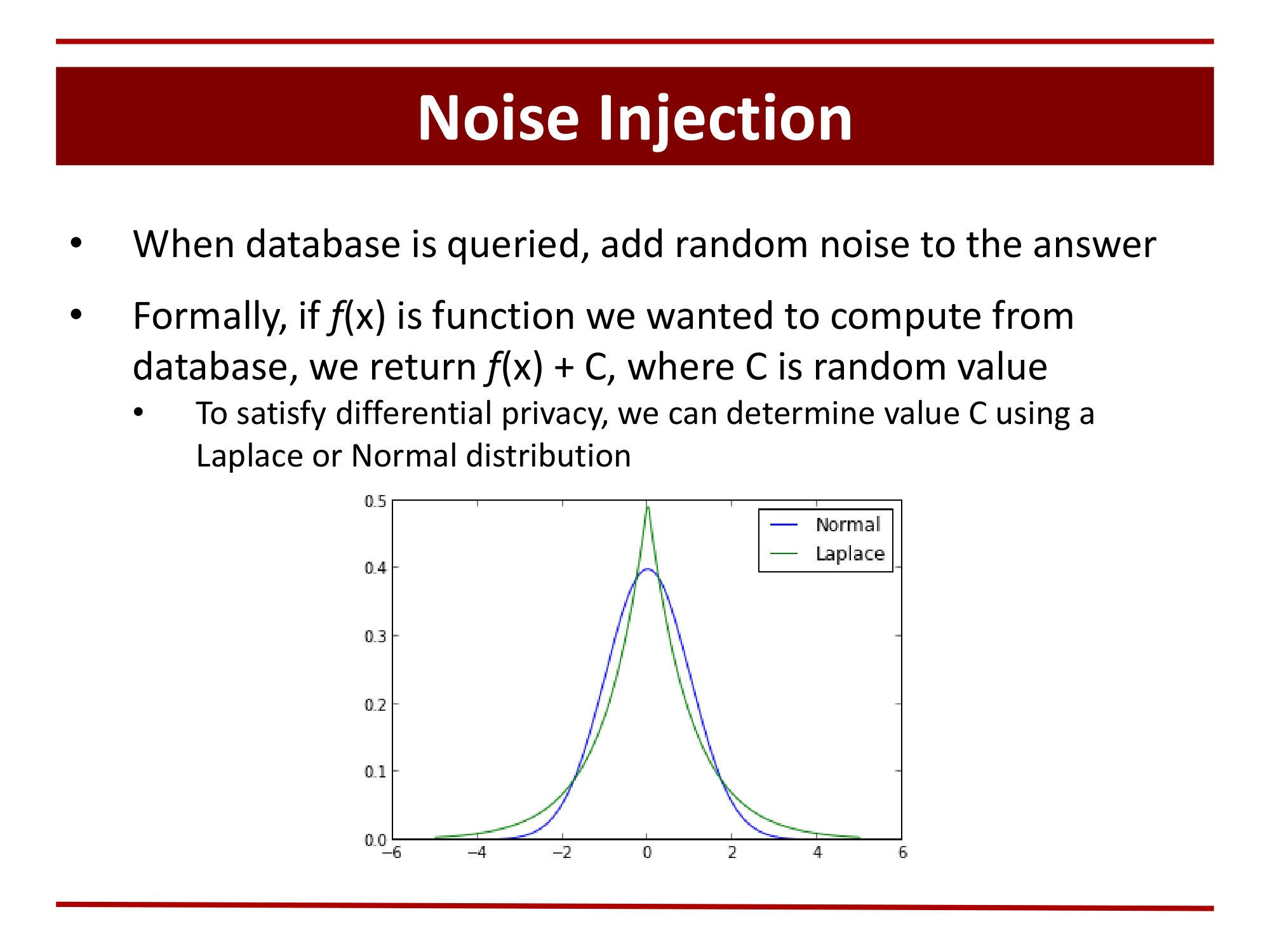
Text with small embedded matplotlib chart
After
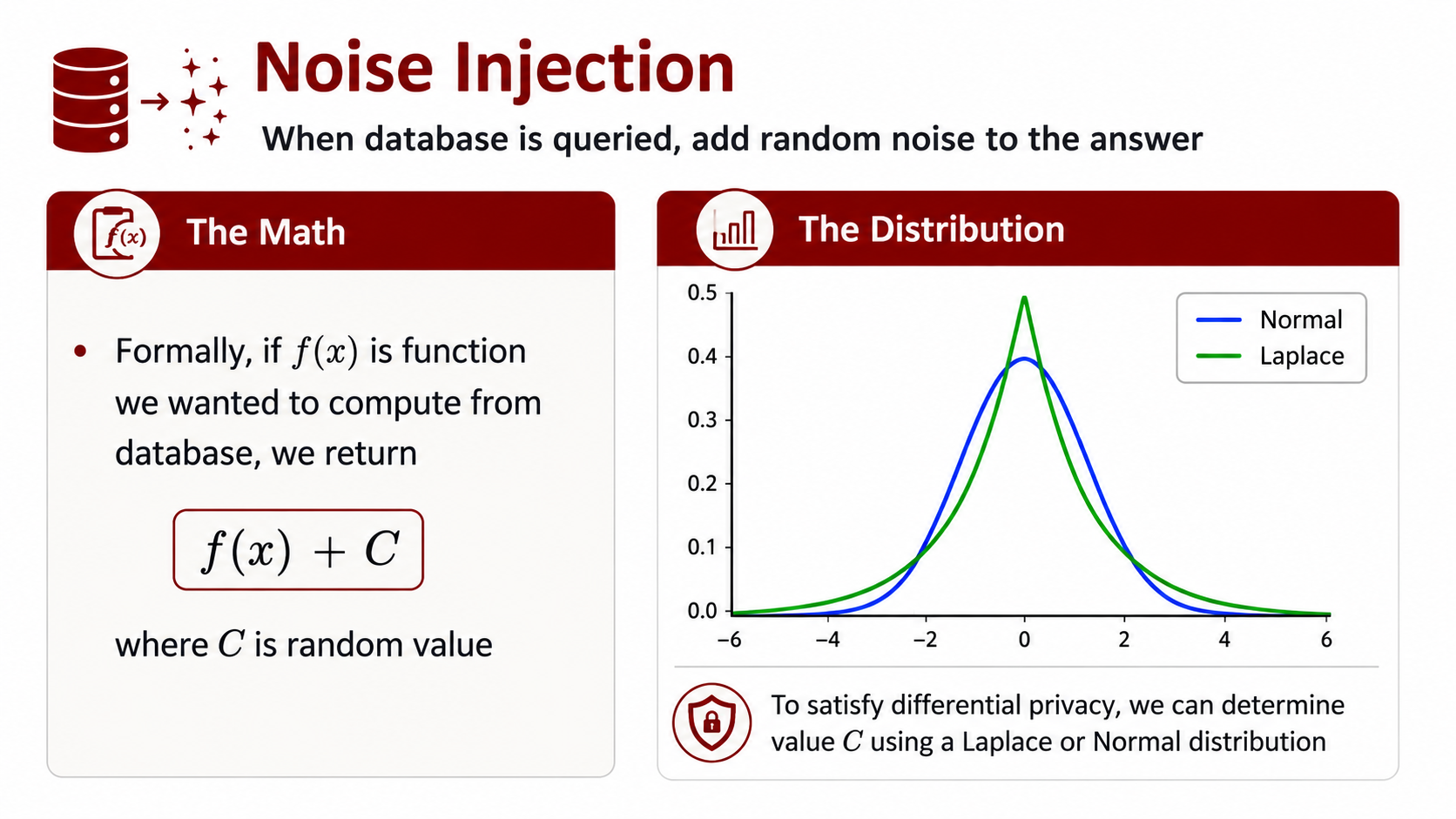
Clear mechanism diagram with enhanced distribution visualization
Before
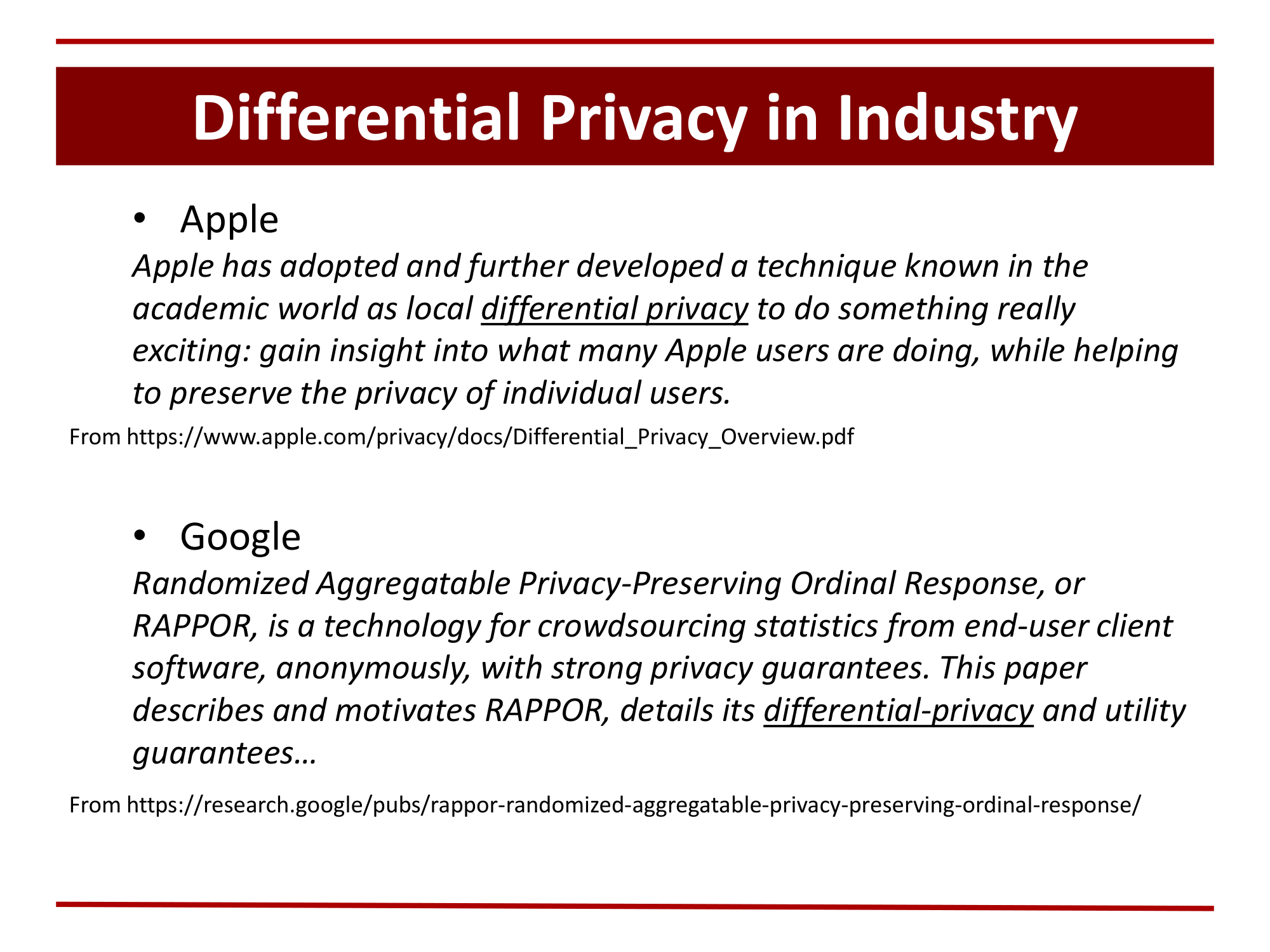
Two long italic block quotes stacked vertically
After
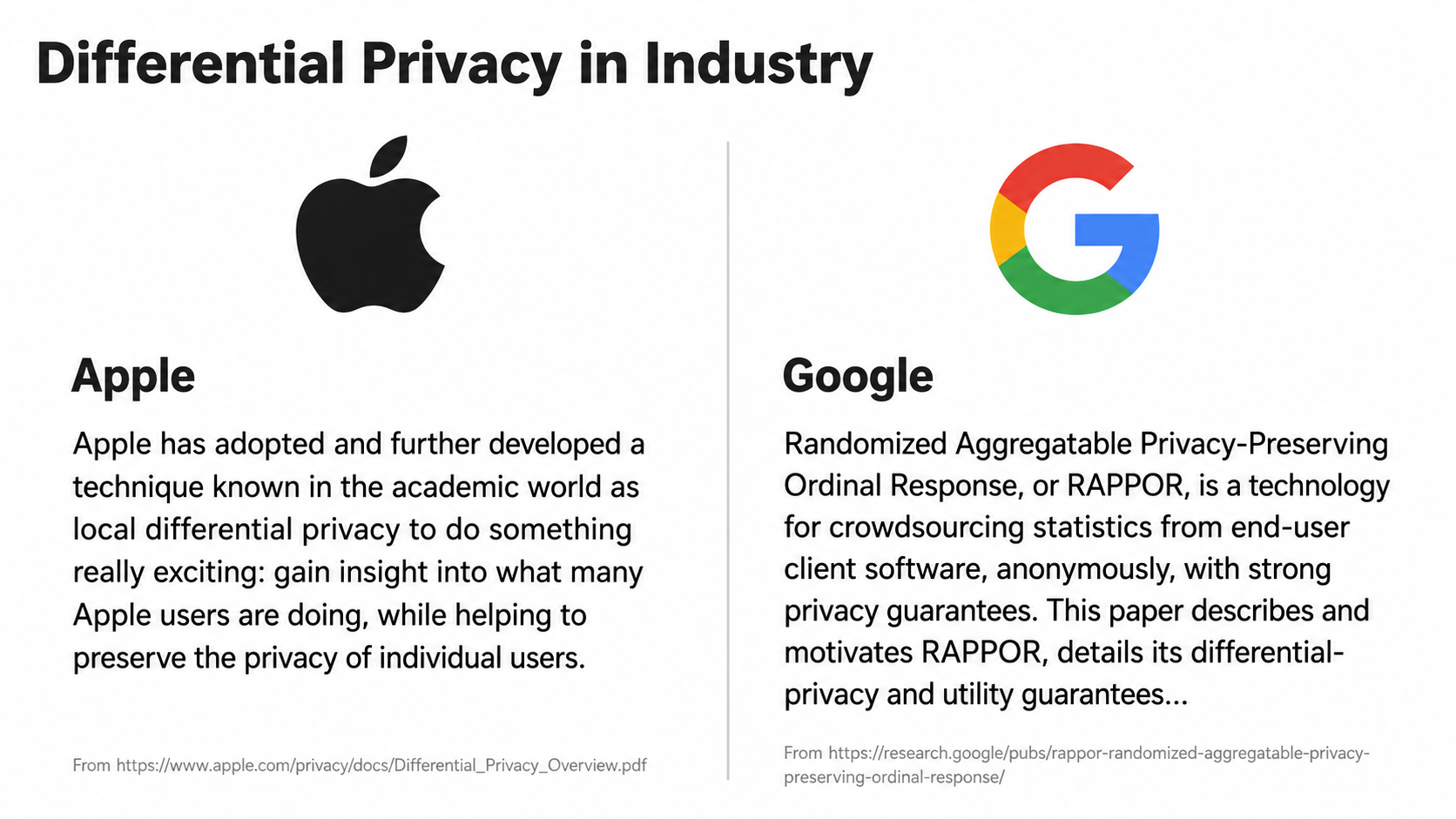
Side-by-side company case cards with key takeaways
Before
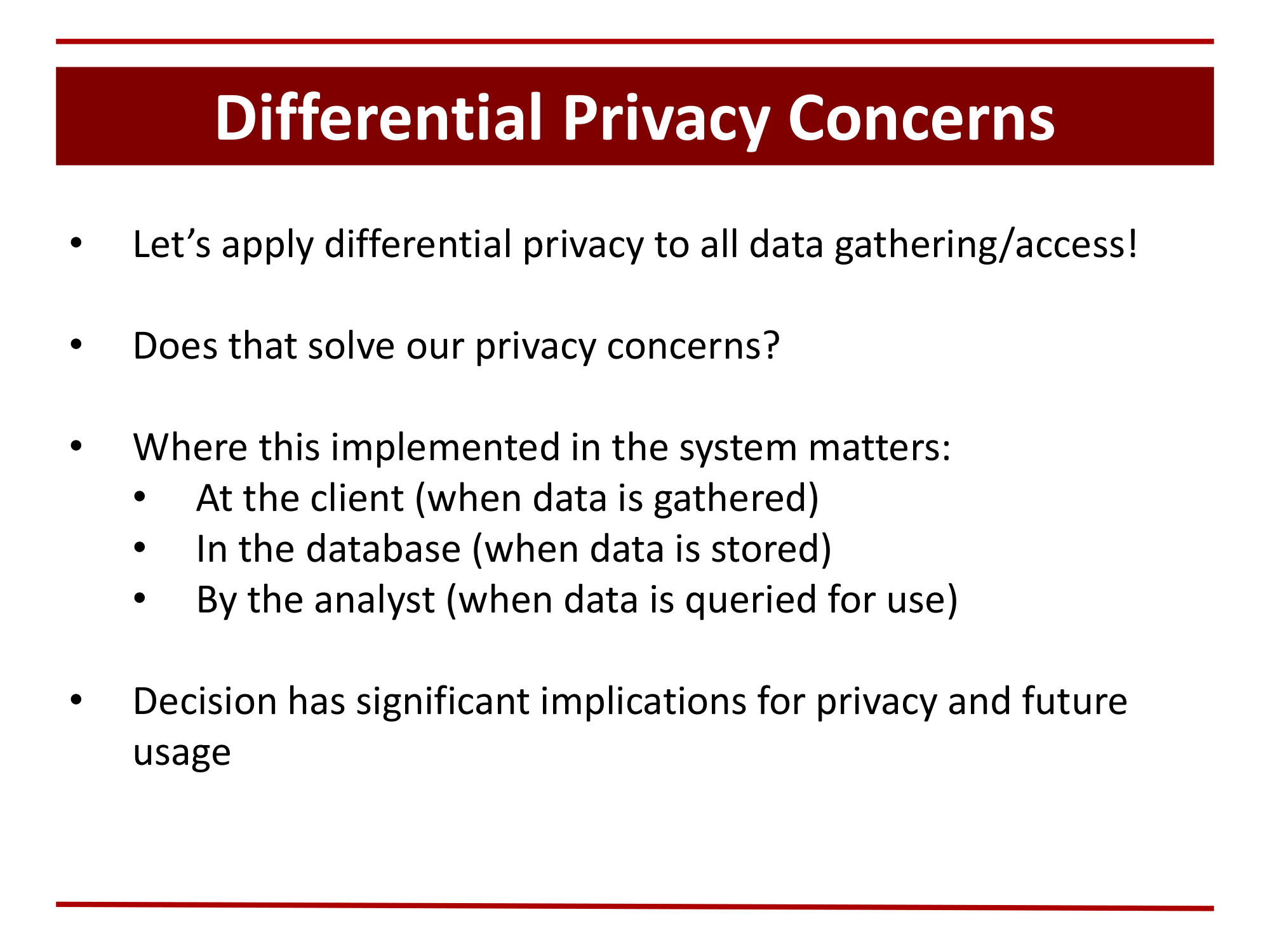
Bullet list of implementation locations
After
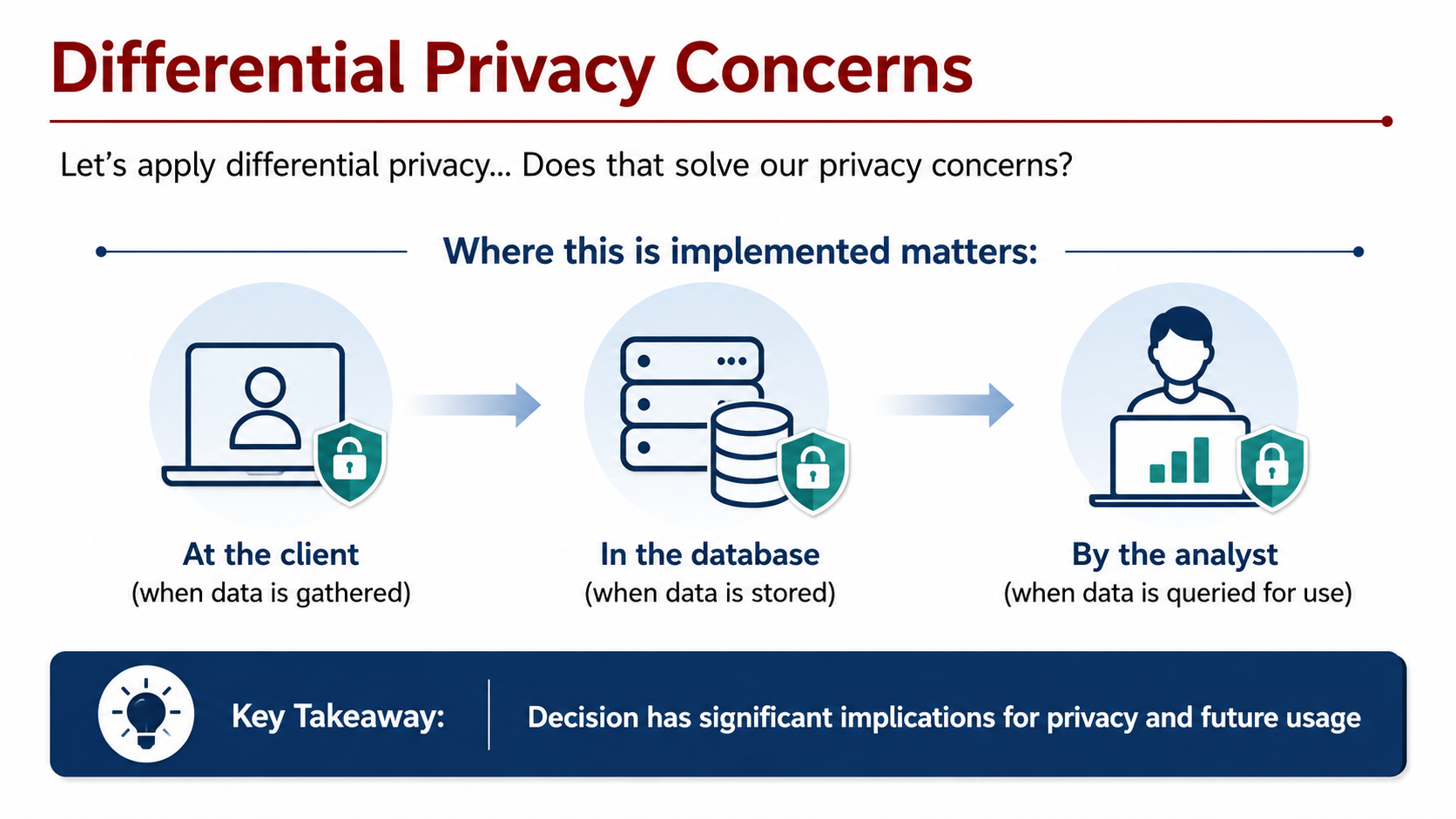
Visual pipeline diagram showing implementation points
Before
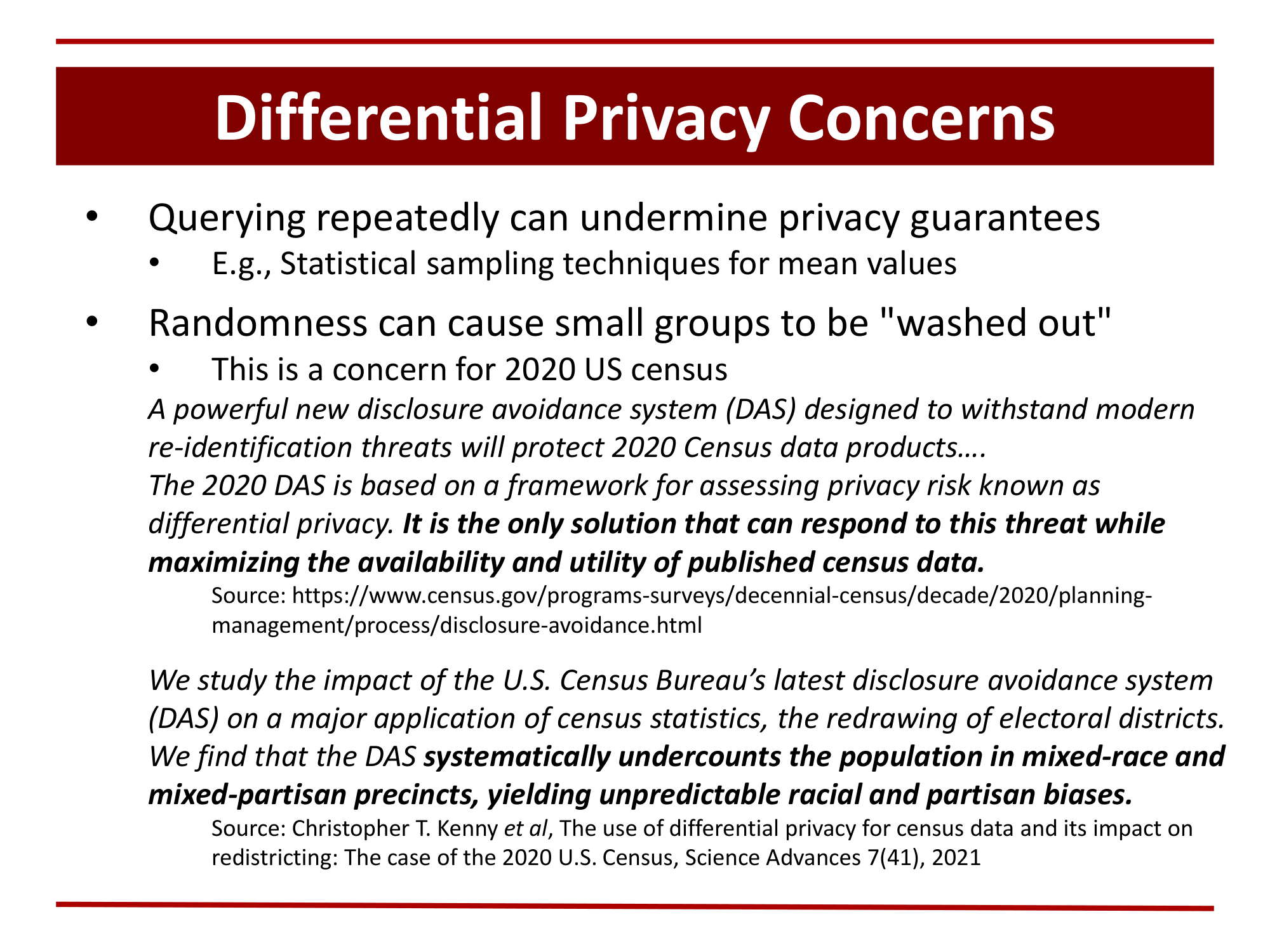
Two long italic paragraphs with embedded citations
After
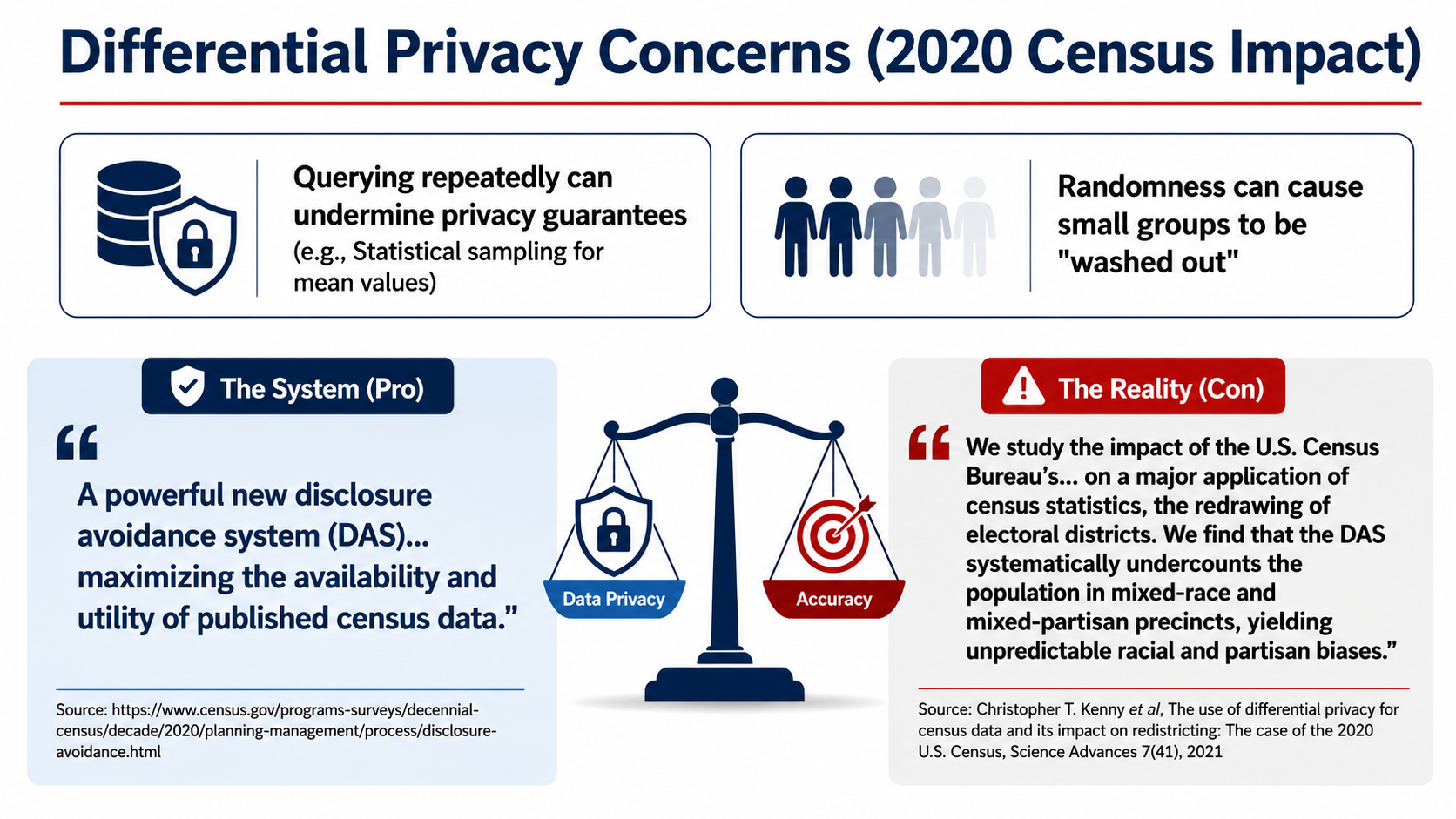
Structured dual-concern layout with clear source cards
Before
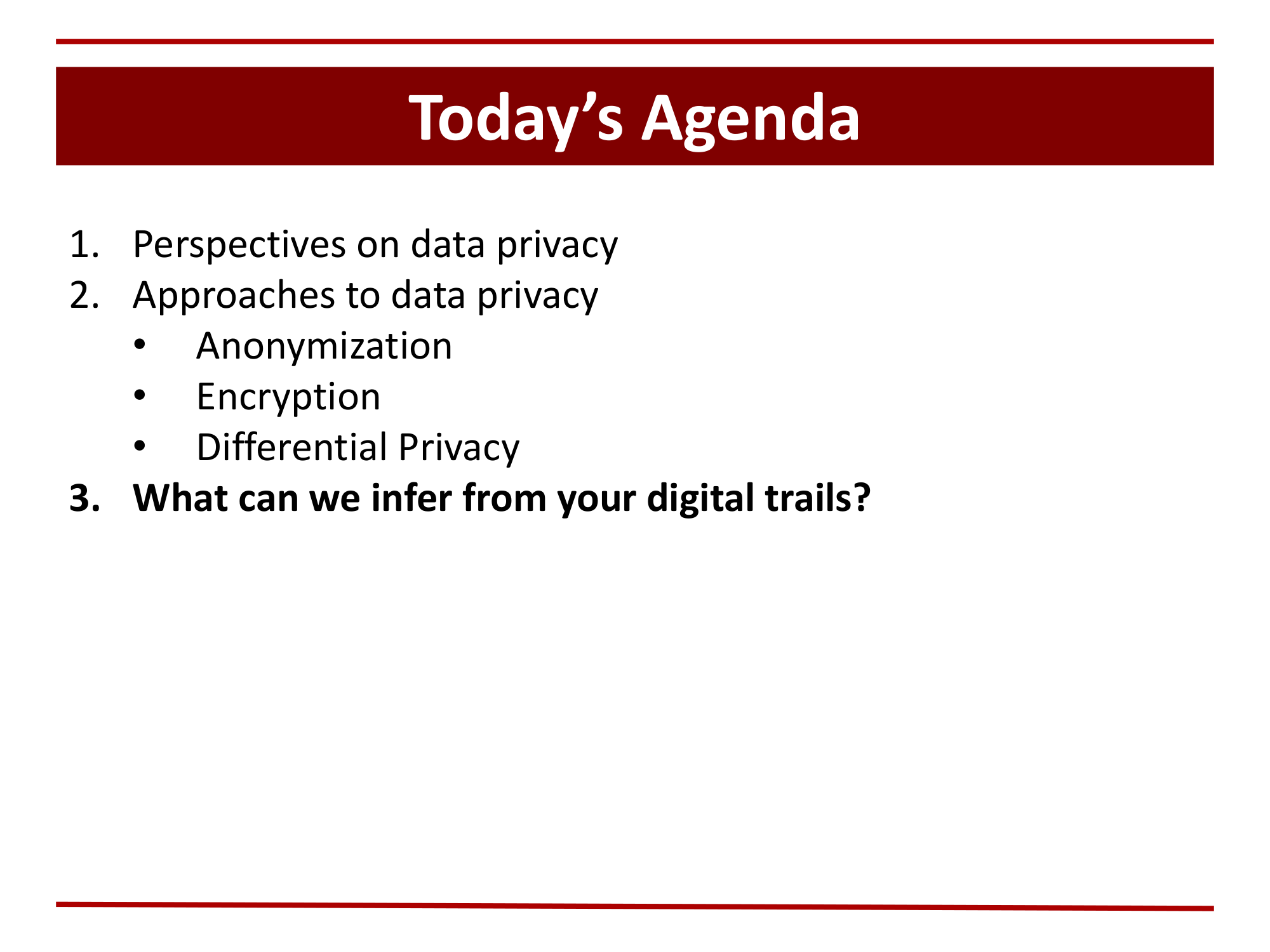
Same agenda, bold on digital trails section
After
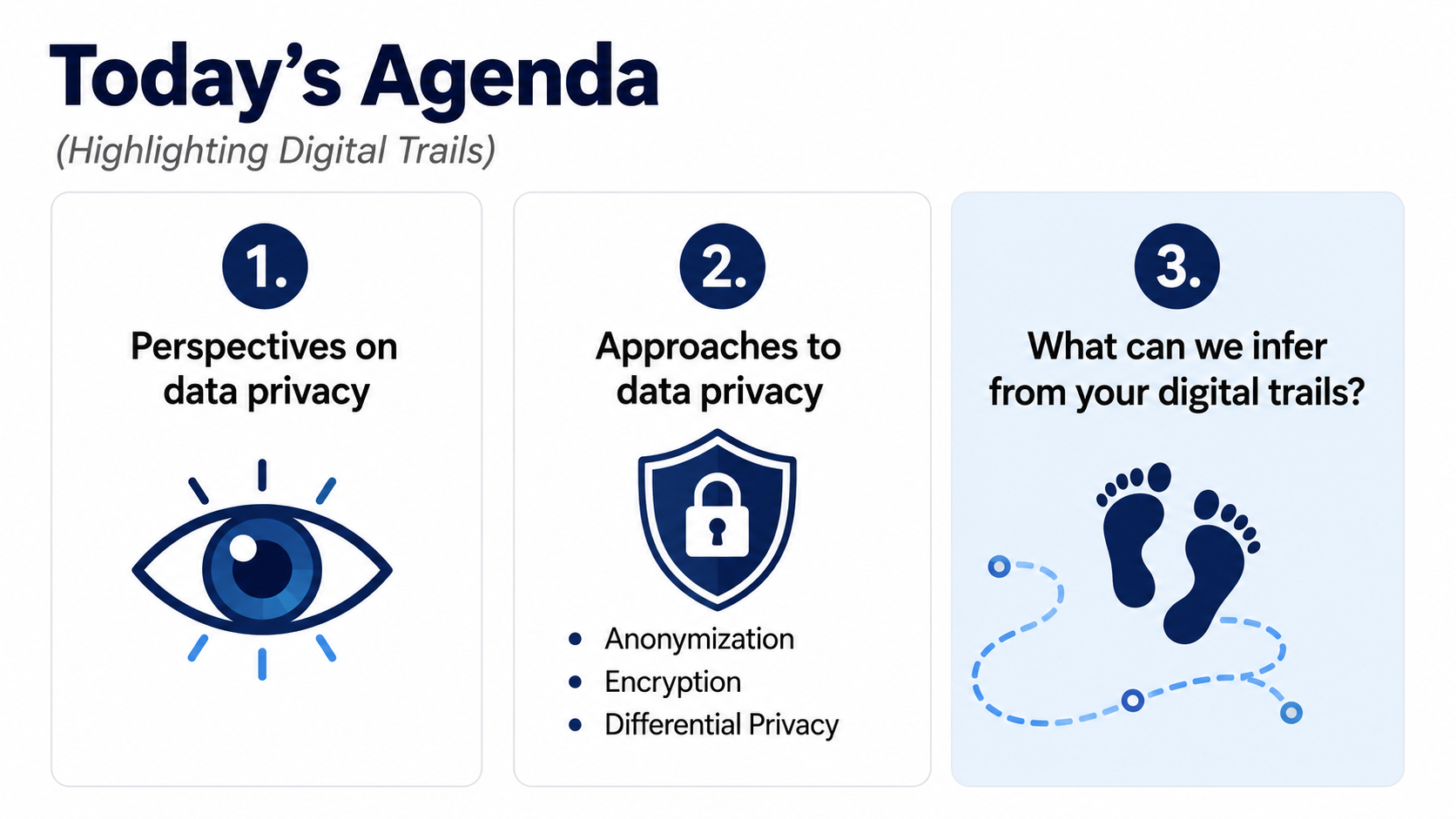
Final section transition with progress indicator
Before
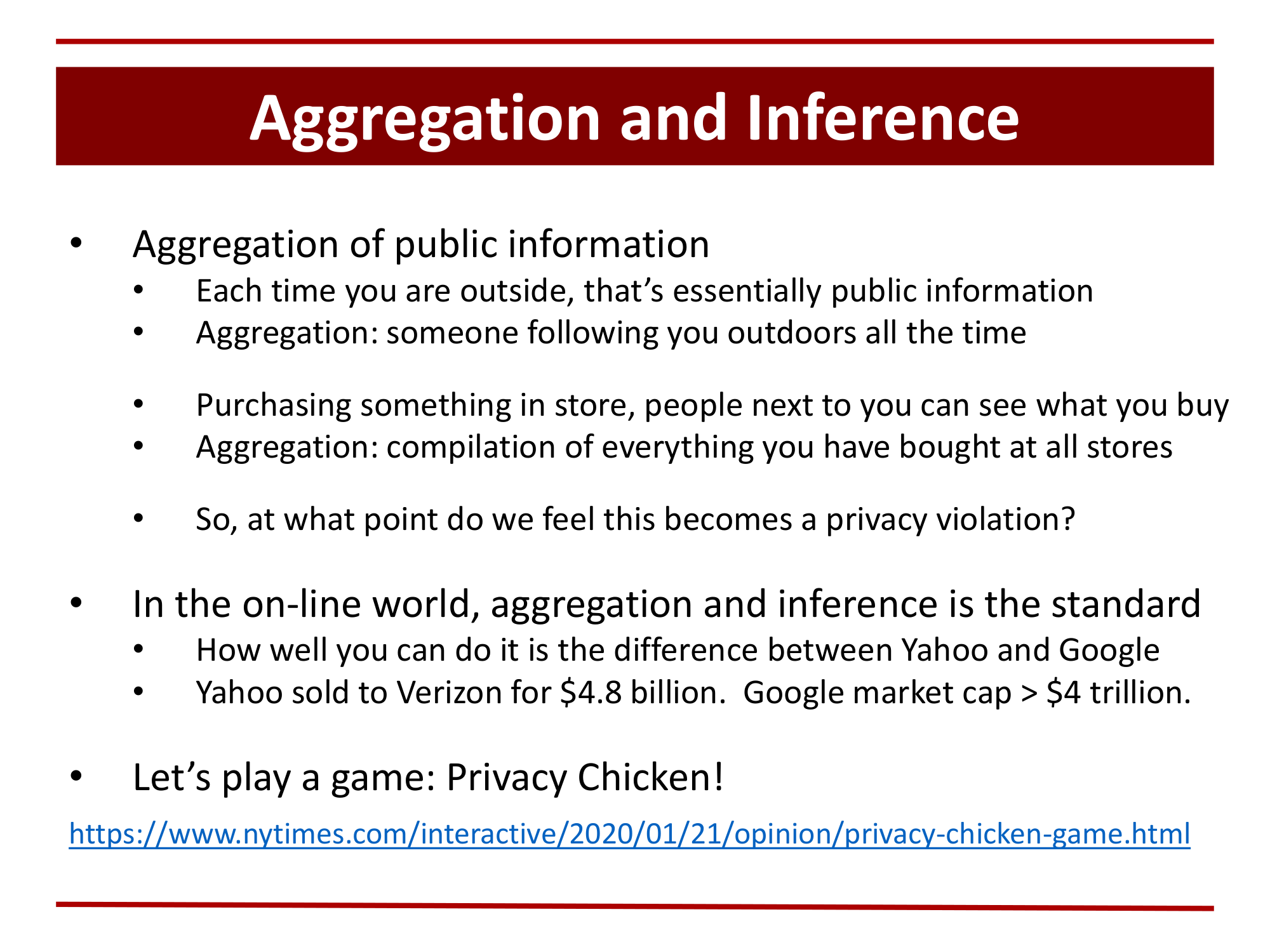
Dense bullets comparing physical and online aggregation
After
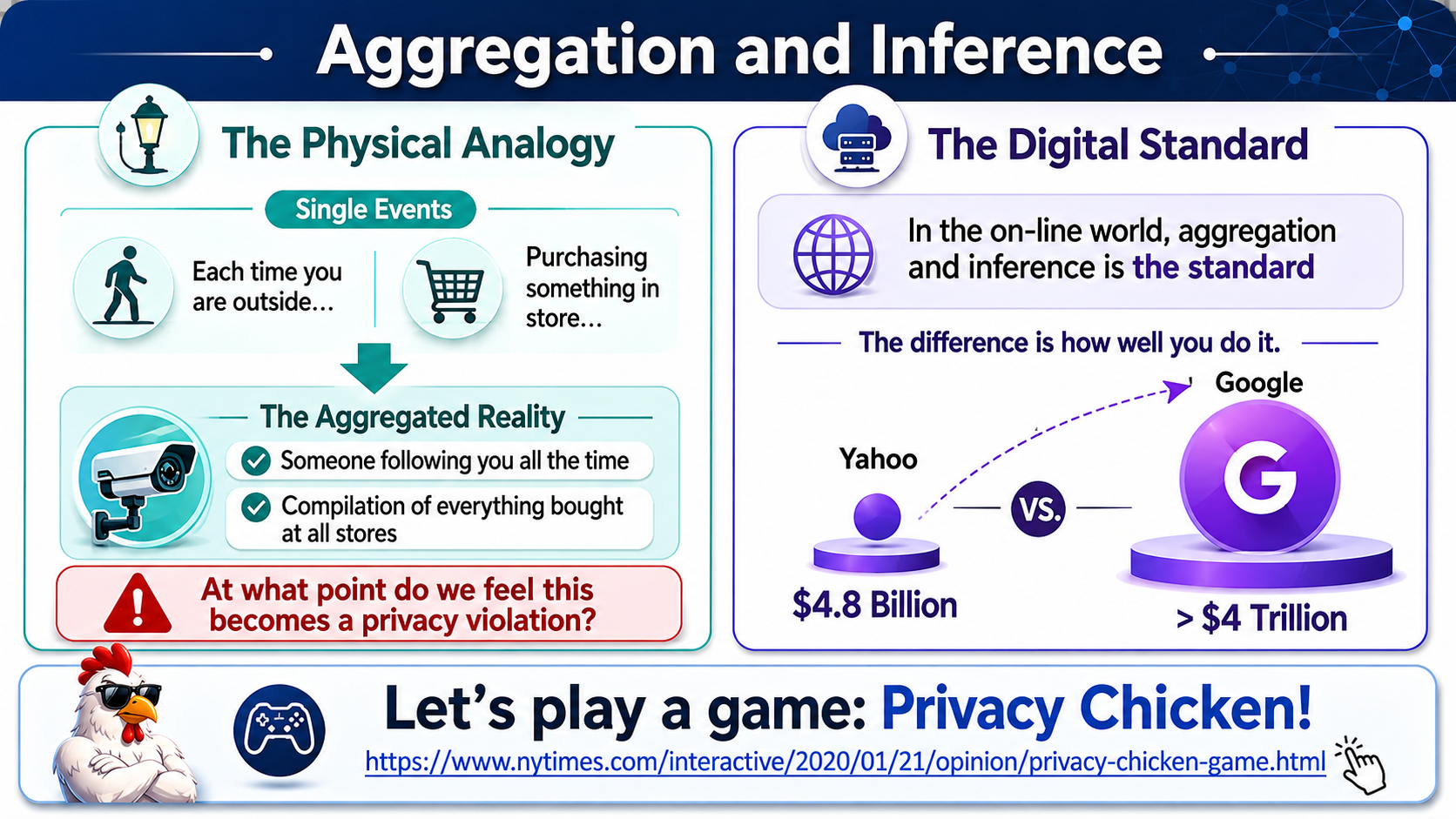
Visual parallel comparison with interactive game callout
Before
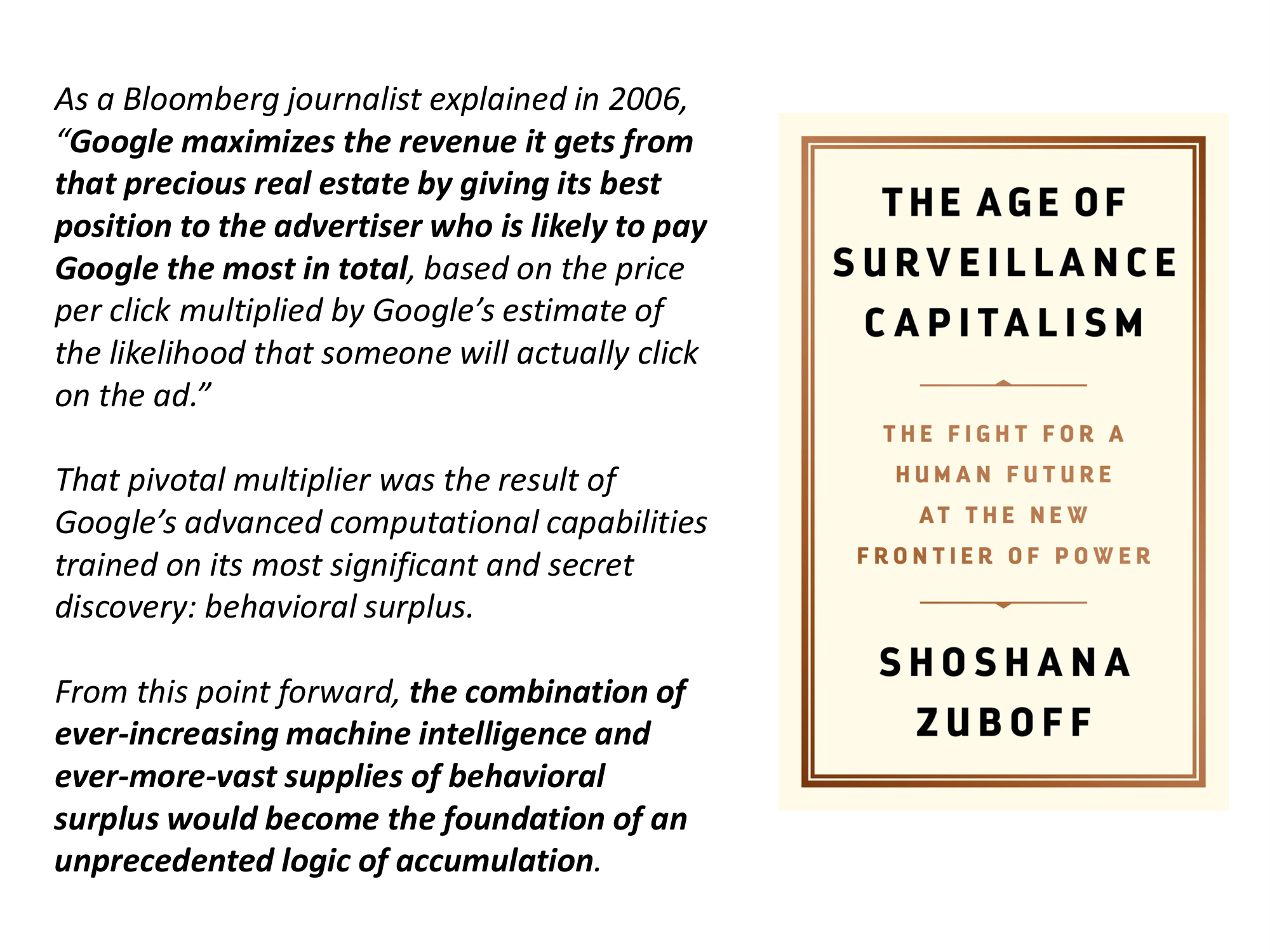
Long italic quote beside book cover image
After
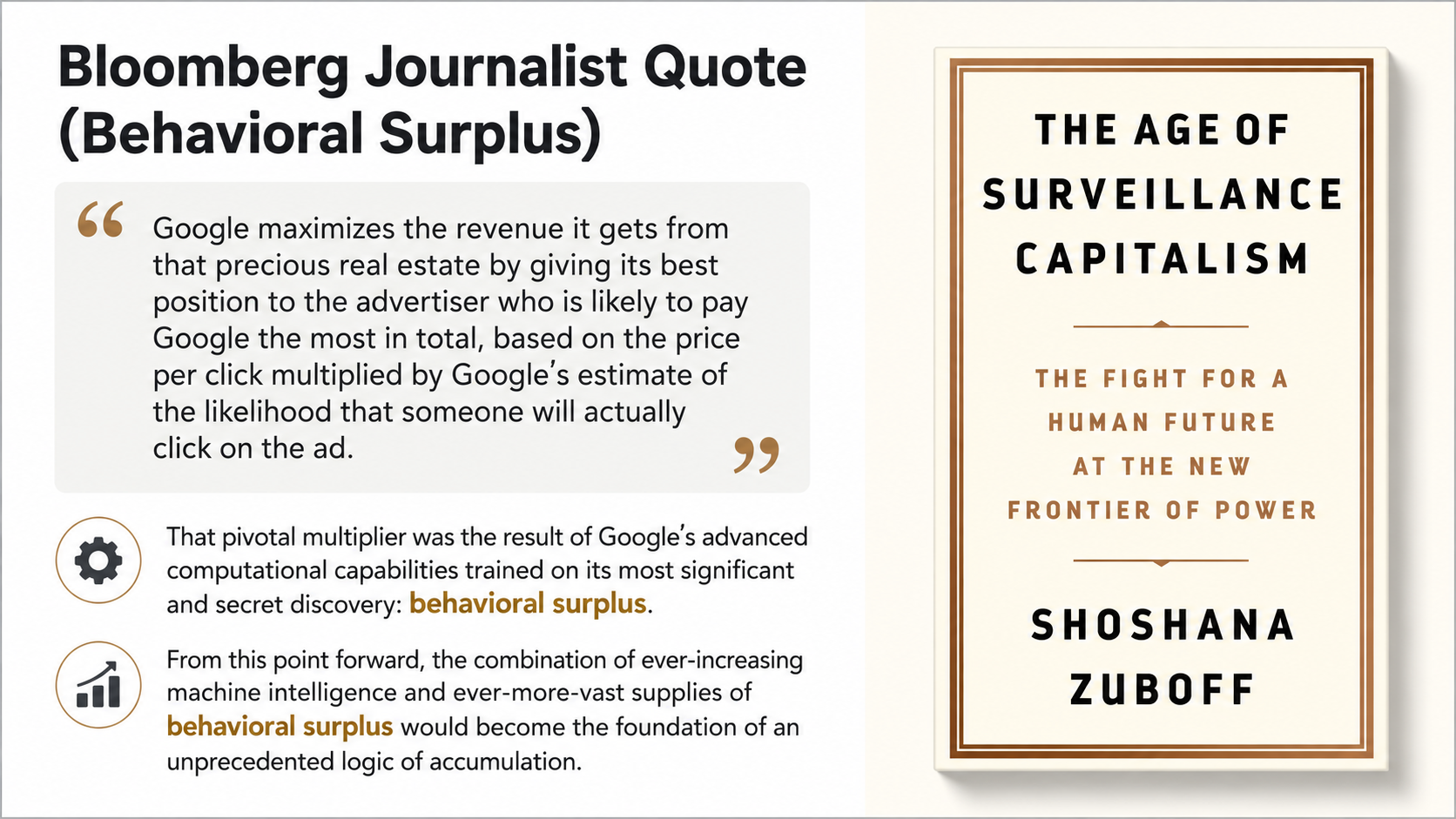
Featured reading card with prominent quote and visual
Before
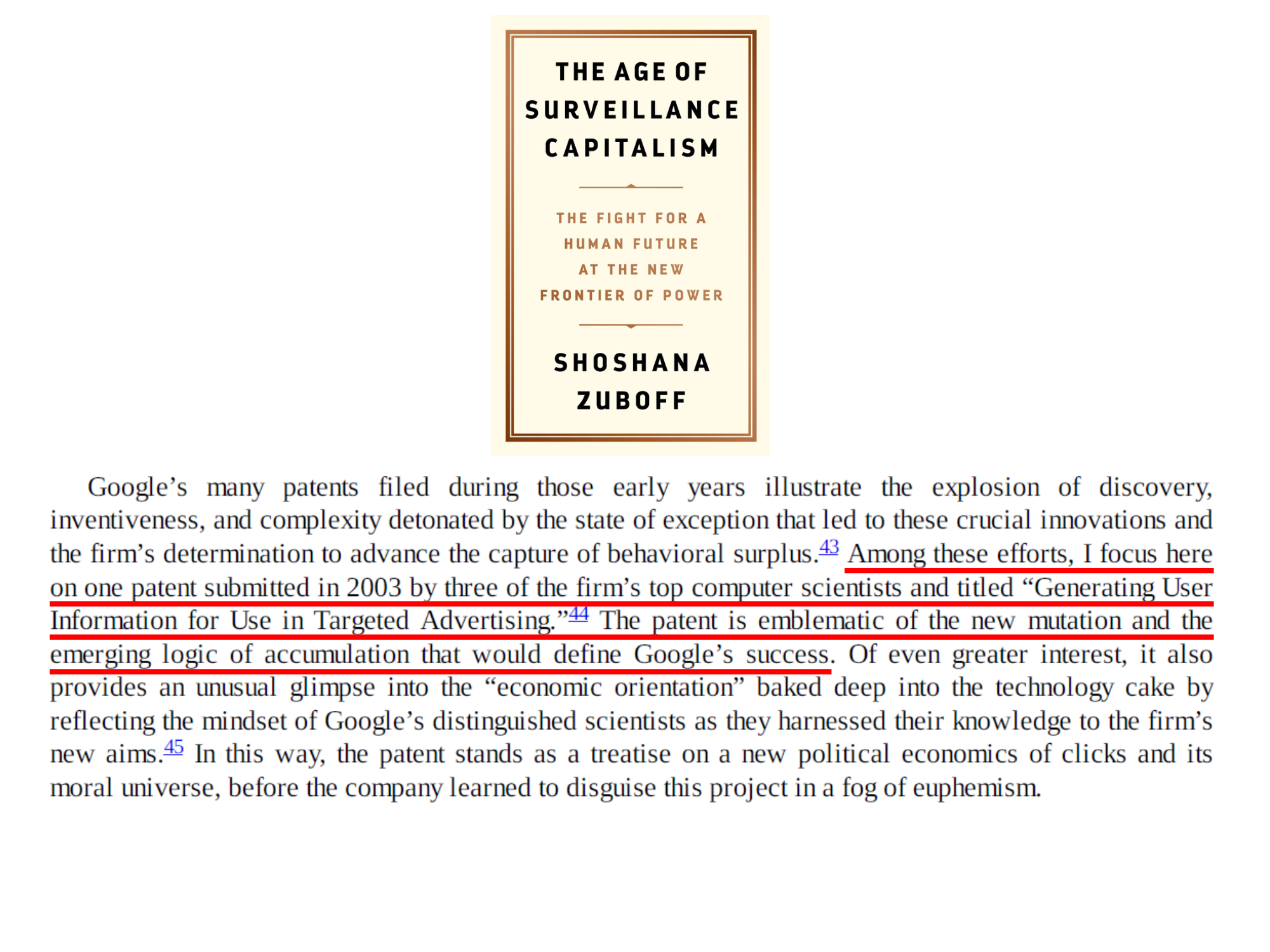
Dense paragraph text with footnote references
After
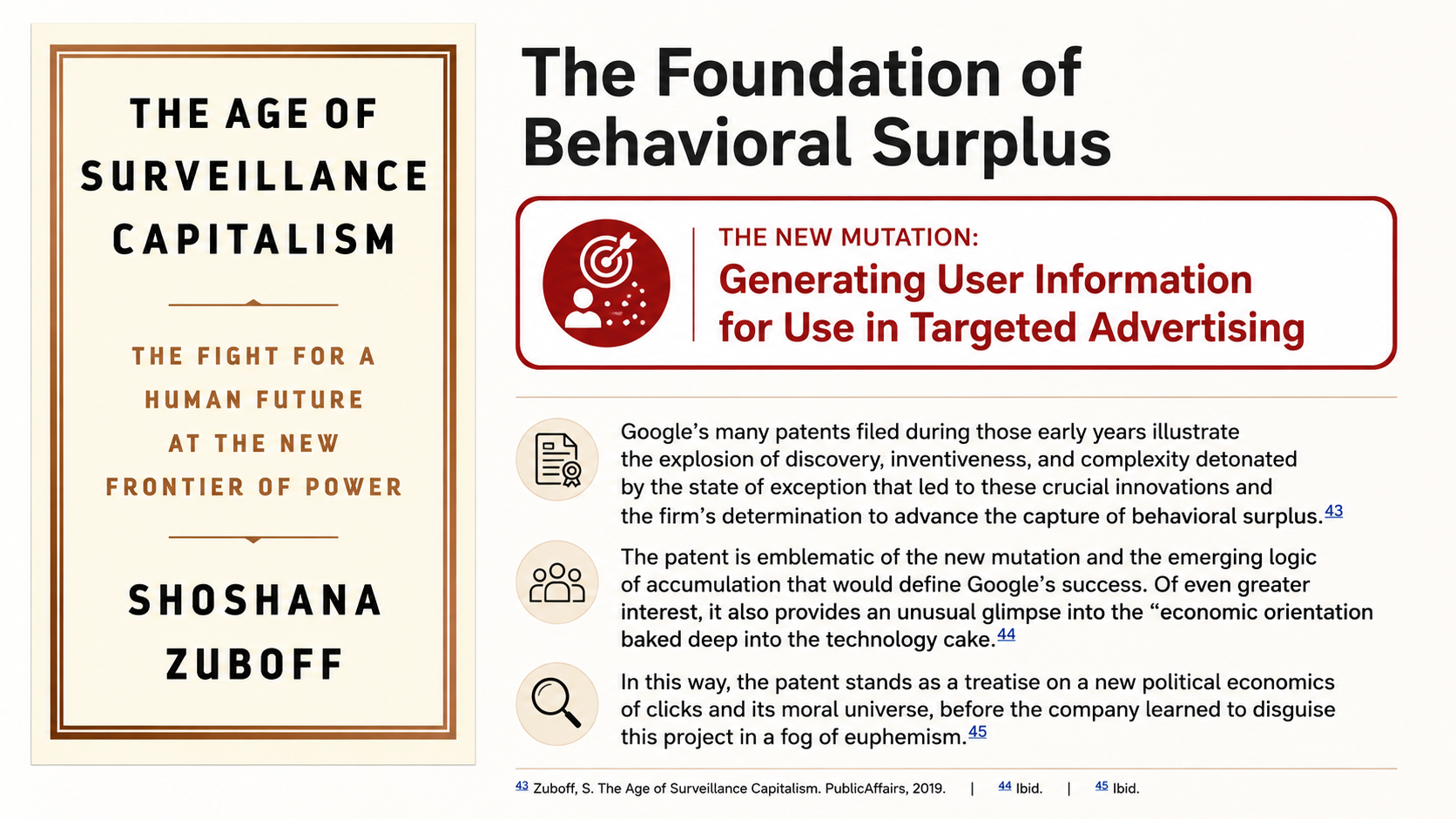
Narrative layout with highlighted key passages
Before
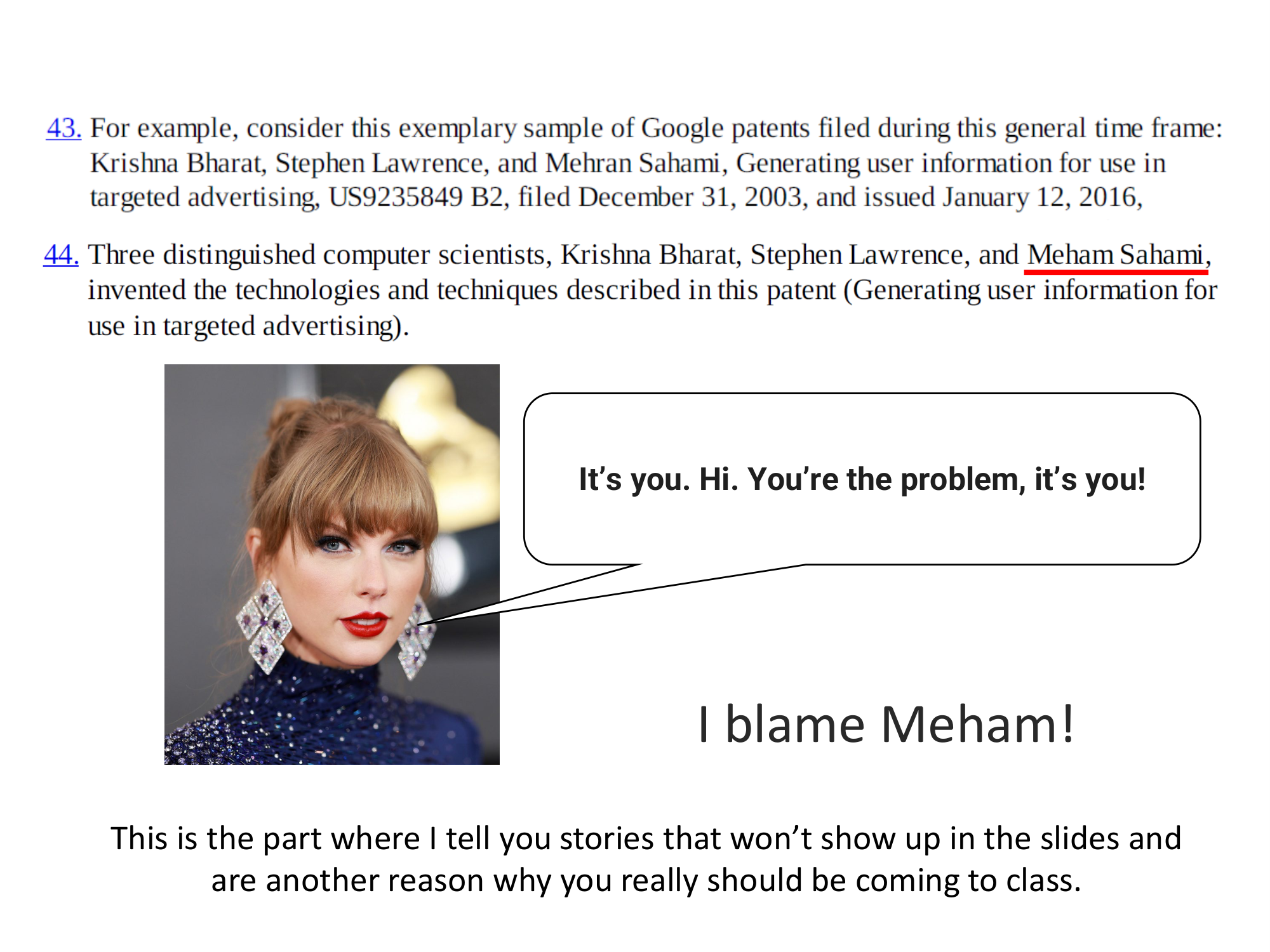
Meme image with footnotes and humorous text
After
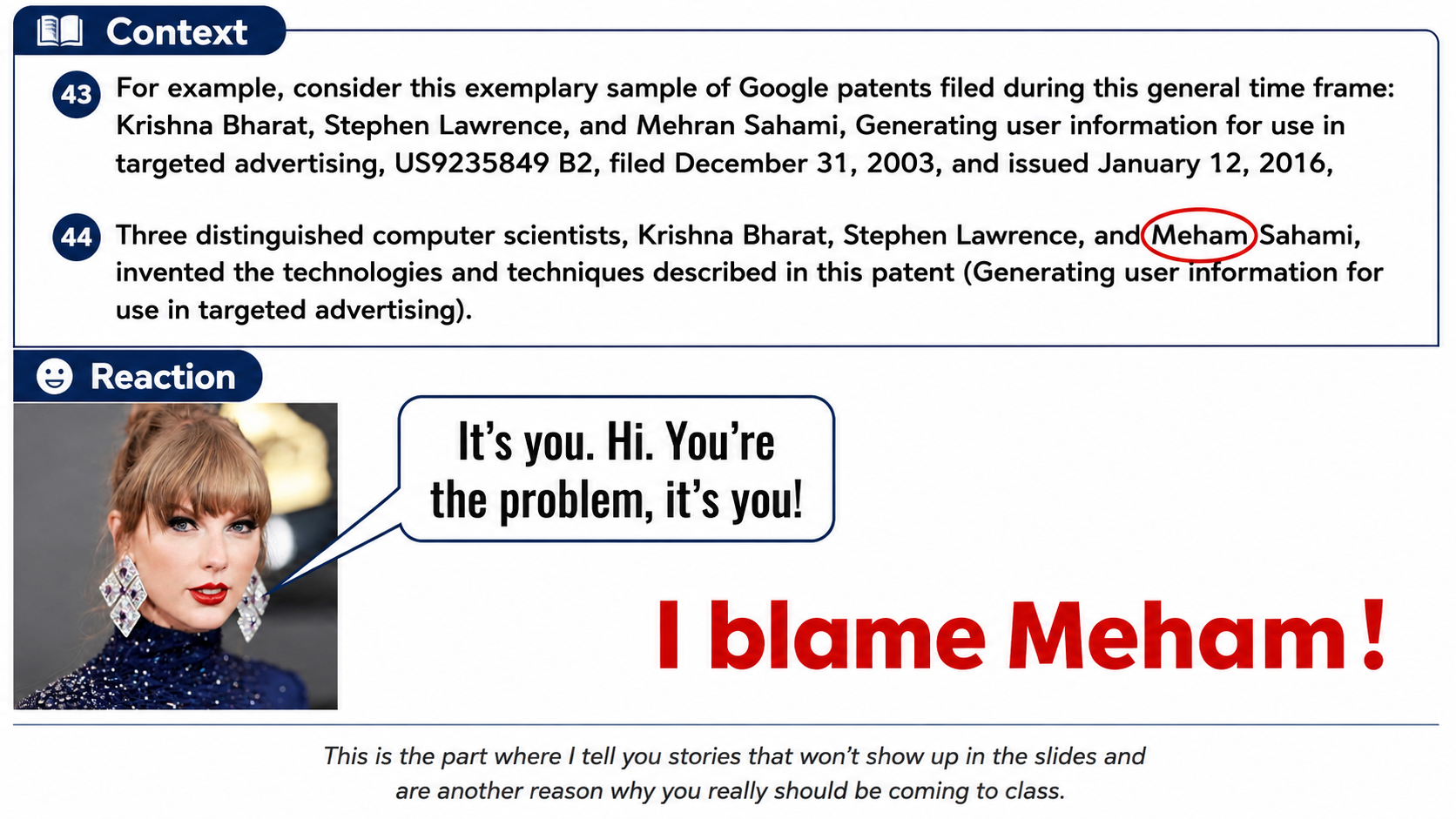
Polished closing with preserved humor and visual clarity